Snapped spring
A bang from the garage, door won't lift, opener just hums. The car is often trapped. Highest urgency in the niche.
Spring campaignGarage Door Repair
It is at least four different people in a panic. One has a snapped spring and a car stuck inside. One has a door that reverses halfway up. One has a bent bottom section from backing into it. One is a renter whose landlord told them to "sort it out."
They all type roughly the same thing. Your page has to recognize which one landed and get them to a phone in seconds. That is the entire job of a repair campaign page.
Separate the urgent failures from the "get a quote" shoppers, in the first screen.
Ask what the door is doing — not what service they want. Customers do not know the vocabulary.
Catch the after-hours click, because a truly stuck door does not wait for 8am Monday.
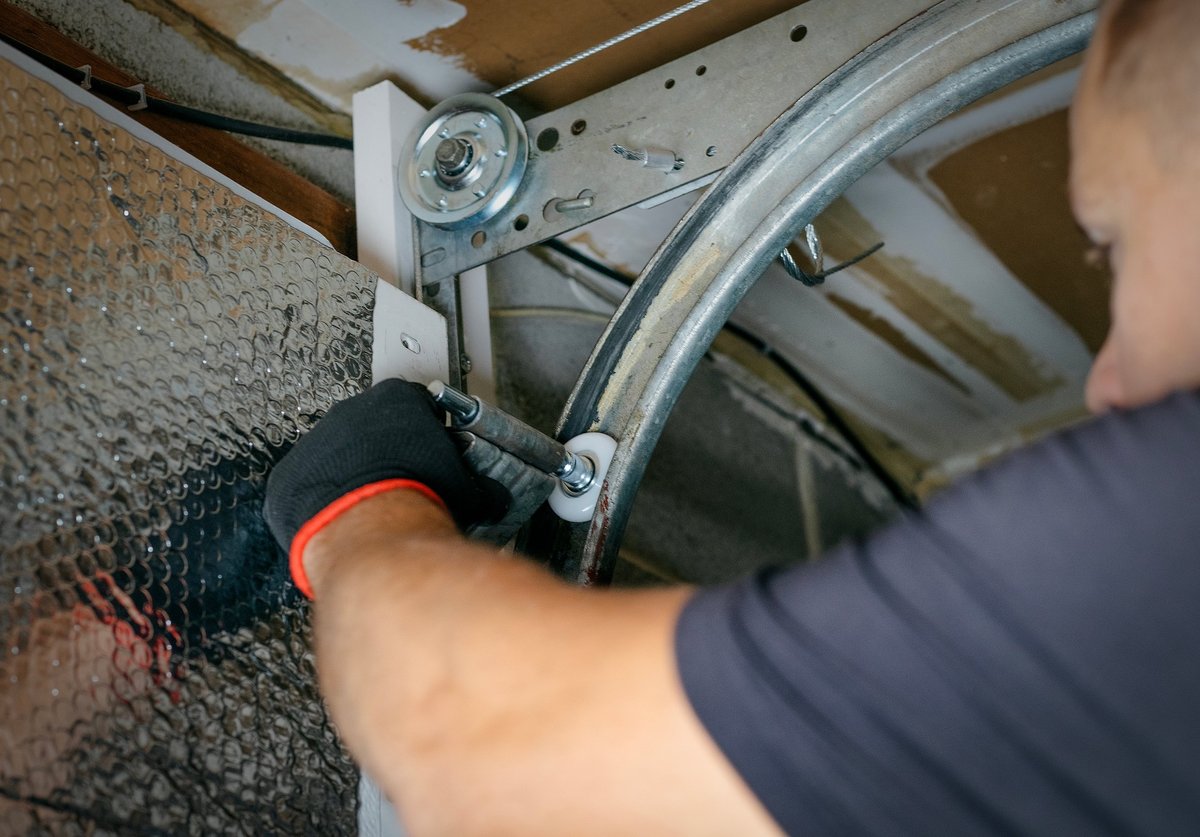
We will review how your repair searches actually convert.
What people actually type
"Garage door repair" is the umbrella. The money is in the specific failure, because that is where urgency and search volume both peak.
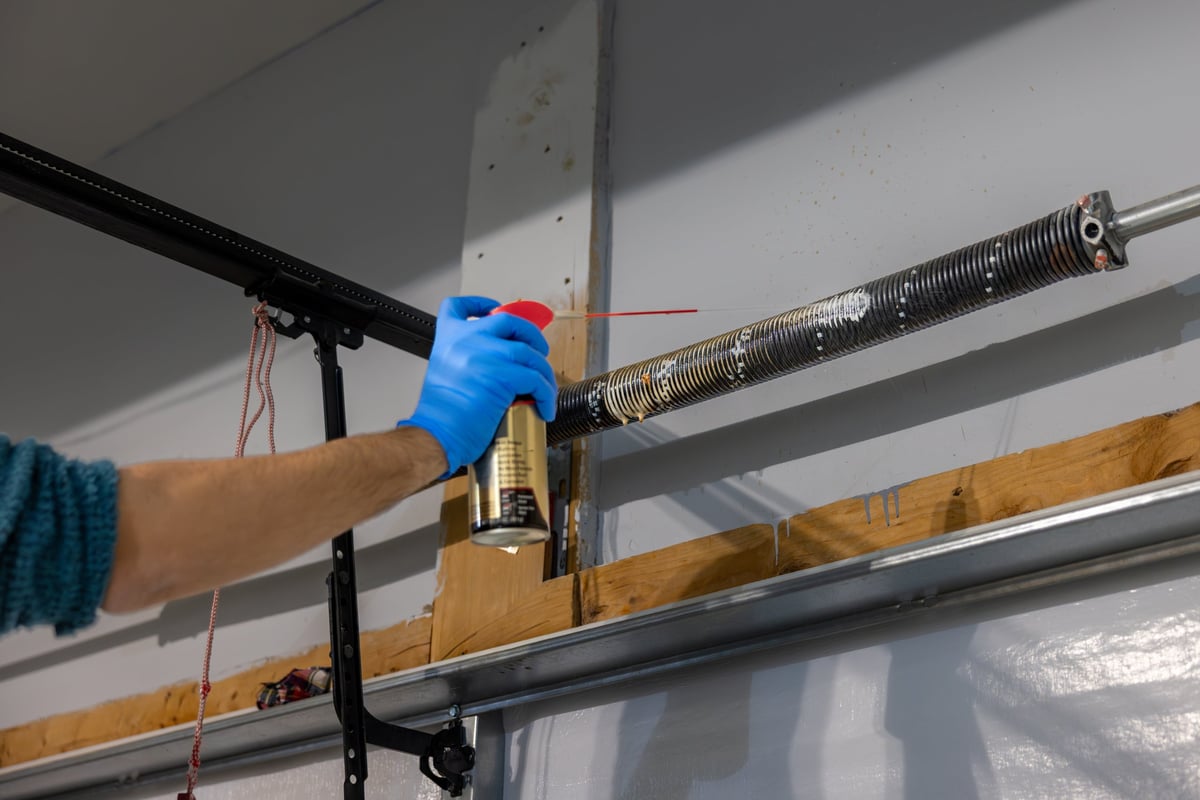
A bang from the garage, door won't lift, opener just hums. The car is often trapped. Highest urgency in the niche.
Spring campaignRemote not working, door goes down then back up, motor runs but nothing moves. Frequently a small fix, not a new unit.
Opener repairVisibly crooked, hanging, or jammed. People are scared to touch it, which is correct and makes them call fast.
Off-track campaignOften searched by part name, sometimes by someone planning to do it themselves. Safety framing matters here.
Cable & rollerBacked into the door, dented bottom section, cracked panel. Less urgent, more quote-driven, often insurance-adjacent.
This campaignThe vague majority. They cannot name the part, so your page has to let them describe the symptom instead of pick a service.
Handled by the symptom field in the audit form.
What we build
Not a brochure. The structure below assumes the visitor is standing in a driveway, on a phone, mildly stressed, and will leave if they have to think.
Tap-to-call above the fold
Thumb-height, not a hamburger menu. Plus a sticky bar on mobile so it survives scrolling.
Symptom-first language
"Door won't open" beats "torsion spring replacement." Customers search symptoms; techs speak parts.
A safety note that earns trust
Telling people not to force a sprung door is both true and persuasive. It also reduces bad callbacks.
Service area, stated plainly
Town names in the copy, not just a map. Out-of-range visitors are told early instead of calling and being refused.
After-hours capture
A short form for people who will not call at 9pm, plus missed-call text-back so the inquiry is not lost.
A note on pricing claims. We do not put "$99 spring special" on a page unless the shop actually honors it. Bait pricing generates calls and destroys the review profile within a month.
Straight answers
Not necessarily. Some shops need this one page built because their homepage cannot carry repair traffic. Others already have a decent site and the problem is that nobody answers the phone. The audit tells you which situation you are in before anyone quotes a rebuild.
No. Nobody can honestly promise a lead count, because it depends on your market, your competitors, your pricing, and your capacity to answer. What we can do is find the specific leaks and fix them. If a company offers you a guaranteed number, ask what happens when they miss it.
Often more useful, because there is real data to look at instead of theory. We would check the search terms report, the negative keyword list, and whether the landing page matches the ad. A repair campaign sending traffic to a homepage is the most common waste we see.
Say so in the form. Residential and commercial are effectively different businesses — different buyer, different urgency, different ticket — and they should not share a landing page. We build them separately. There is a dedicated commercial campaign for that side.
Ongoing work runs month to month. Some builds have a defined scope with a start and an end, which is different from a lock-in. You will see the scope in writing before anything begins.
Want to talk to a person first?
Call and describe the shop. If we are not the right fit for your market, we will say so on that call.
(509) 508-1008One step
The free audit looks at your profile, your repair pages, your mobile path, your reviews, and what happens to a repair inquiry after it arrives. Then you get a straight answer about the first thing worth fixing.
No rankings promised. No lead counts promised. Month to month.