Uneven movement
A door that rises faster on one side can point to cable, spring, or track issues — or a combination. The symptom is easy to see and the cause is not, which is the whole argument for an inspection.
Cable & Roller Campaigns
A worn roller is a maintenance item. A frayed cable is a safety item. They wear at the same rate, get noticed at the same time, and appear in the same searches — which is exactly why they are usually sold together and why the distinction gets lost.
Cables carry the door's weight under real tension. Rollers carry it through a track and are not tension-loaded in the same way. Telling a homeowner which one they have is a job for an inspection, not a web page — and the advice differs depending on the answer.
Cables are not a homeowner part. Do not touch, adjust, cut, or attempt to rewind a garage door cable, and do not loosen springs or brackets to reach one. A cable under tension can release without warning and cause serious injury. Stop using the door and arrange an inspection.
Cable wear and roller wear treated separately, because the risk and the correct advice are not the same.
Symptoms described as observations — noise, binding, uneven movement — never presented as a diagnosis.
No tension-loaded component instructions. No spring or cable adjustment guidance of any kind.
We review how your cable, roller, and hardware-wear searches actually convert — Maps visibility, your service pages, mobile experience, and what happens when the phone rings.
Cables versus rollers
Homeowners search "garage door cable and roller replacement" as one thing because the parts wear out on the same timeline. The work, the risk, and what a homeowner may safely touch are not the same at all.
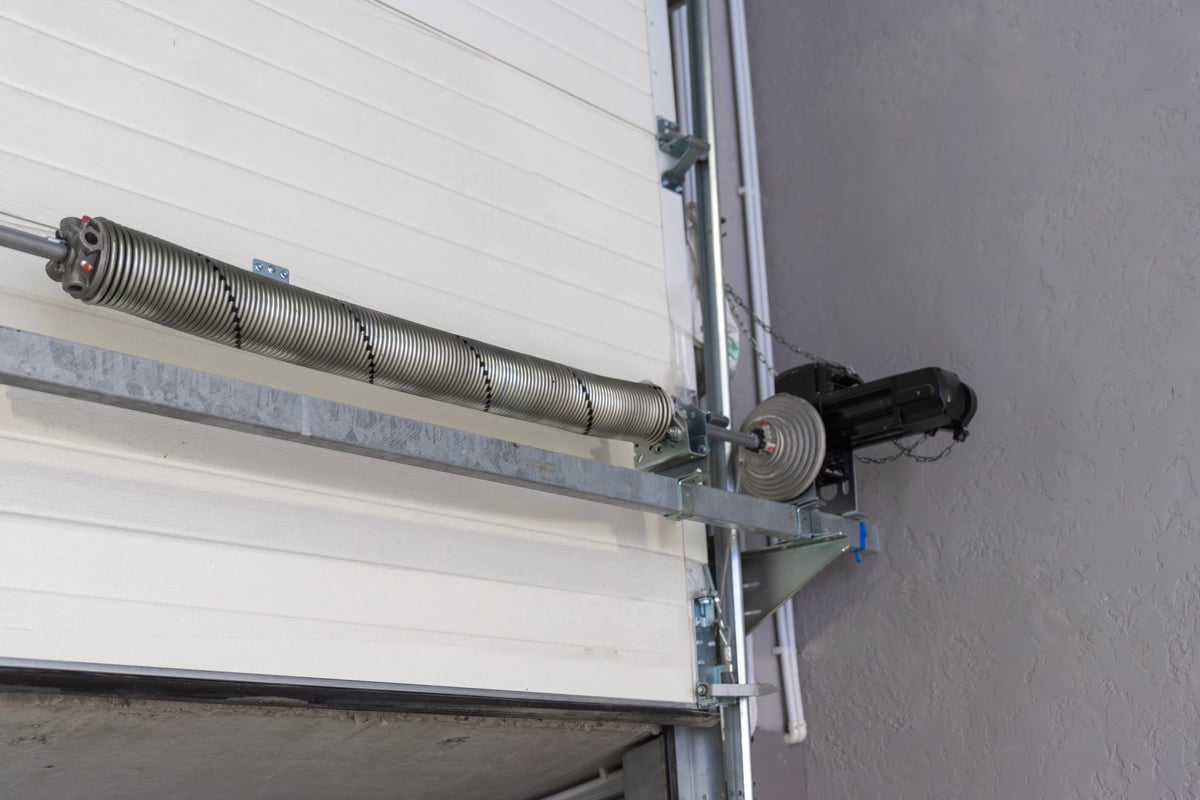
Cables run on drums at the top corners and carry the door's weight alongside the springs. They are under constant tension whenever the door is not fully open.
What a homeowner may notice
Stop using the door
Do not touch, pull, cut, or rewind the cable. Do not loosen springs or brackets to get a better look. A released cable can whip with enough force to cause serious injury, and a door held by one cable can drop. Keep clear and call.
Rollers ride in the track and guide the door's travel. They are a consumable component — they wear, flat-spot, and eventually seize — but they do not carry the spring tension a cable does.
What a homeowner may notice
Lower risk, still not a web-page job
Replacing rollers is routine for a technician, but it still means taking load off the door and working around spring tension. We describe the symptoms and stop there. We do not publish step-by-step roller replacement, because the door has to be secured first and that is the part that injures people.
A door that rises faster on one side can point to cable, spring, or track issues — or a combination. The symptom is easy to see and the cause is not, which is the whole argument for an inspection.
A door that catches, jerks, or stops at the same point every cycle. Could be a seized roller, a misaligned track, or a balance problem. Each has a different fix and a different cost.
Rust, looseness, elongated holes, missing fasteners. Often the first honest sign that a door is due for service rather than a single-part swap.
On diagnosing from a webpage: a page can describe what wear looks and sounds like. It cannot tell a homeowner whether their grinding noise is a roller, a dry hinge, a track that has shifted, or a door that is out of balance — and those have different answers and very different price tags. This page lists symptoms and stops at the inspection, which is also the only way the copy stays honest after a technician has actually looked at the door.
What we build
Most competitors bundle cables and rollers into one thin page. The opportunity is to be the page that actually explains the difference.
Separate content for cable replacement and roller replacement, each ranking for its own query and each with the correct safety posture.
People search "garage door grinding noise" and "garage door cable snapped," not part numbers. Headings written around what they hear and see.
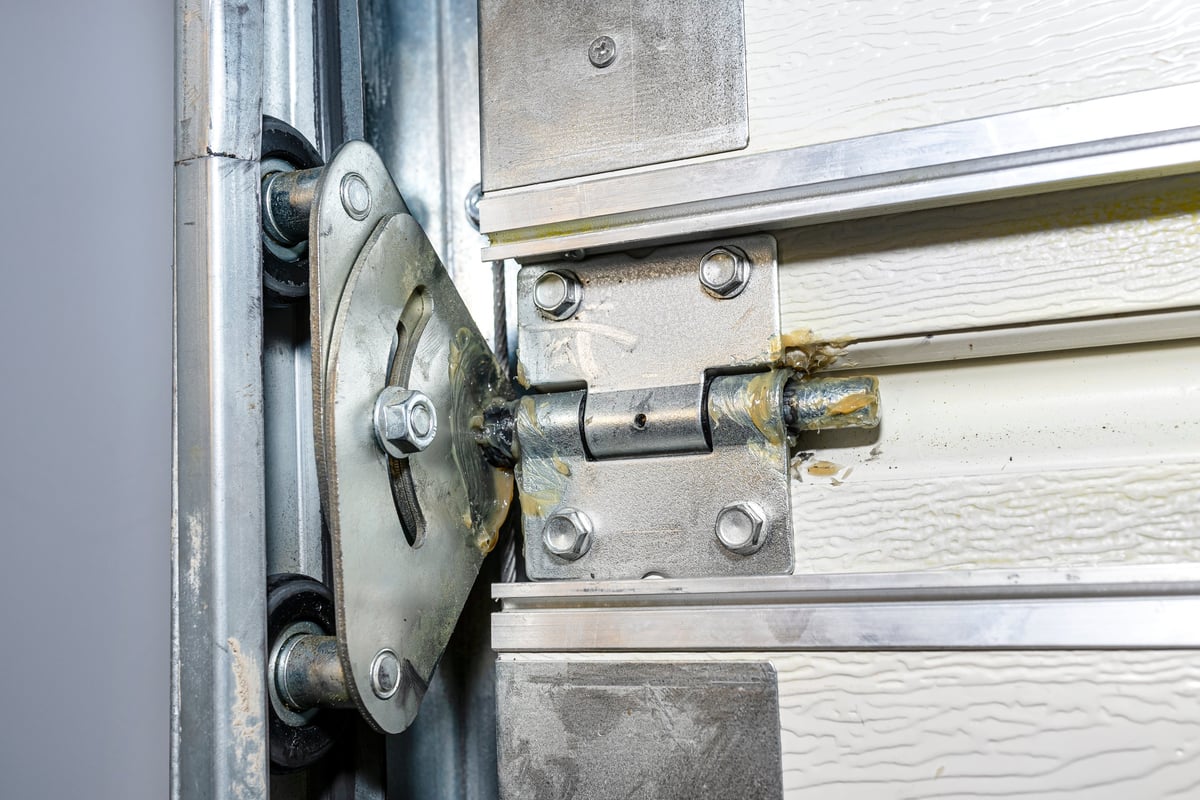
Cable drums, rollers, and hinges shot closely. This buyer is trying to match what they see in their own garage to something on the page.
Hardware wear is predictable. A page that mentions scheduled inspection captures the homeowner who suspects their door is due, not just the one whose door already broke.
Roll-up and high-cycle doors wear on a different schedule with different parts. If you service them, they warrant their own page and keywords.
Someone with a snapped cable wants to talk to a person. Tap-to-call is the primary action, with the form as the secondary path for planners.
Cables and springs are where garage door injuries actually happen. The page is deliberately less instructional than a blog post would be, because the audience includes people standing under a loaded door looking for something to try.
Straight answers
Because the risk is genuinely different. A cable sits under constant tension whenever the door is not fully open, and a released cable can cause serious injury. Rollers guide the door through the track and are a wear item. The homeowner advice that follows from that is not the same, and flattening the two into one paragraph would either overstate the roller risk or understate the cable risk.
It can help them describe what they are seeing — fraying, noise, binding, rust — and understand which category that falls into. It cannot tell them which part has failed, because a grinding noise can come from a roller, a hinge, a shifted track, or an unbalanced door. Those have different fixes and different costs, and the only accurate answer comes from someone standing in front of the door.
Lubrication is the one maintenance action that does not involve taking load off the door, and many manufacturers publish guidance on it. We can include a short, conservative note if you tell us you want it — but only using lubricant types the hardware manufacturer specifies, and only for rollers and hinges, never cables or springs. Until you confirm that, the page stays silent on it rather than risking advice that damages someone's hardware.
Whether you appear for cable, roller, noise, and hardware-wear searches in your towns, whether your site has separate content for each or one thin page covering both, how quickly a phone number is reachable on mobile, your reviews for this type of work, and what happens to a call that arrives while everyone is on a job.
They overlap in practice — springs and cables fail together and are often replaced together — but they are searched differently and described differently. The spring page is about a single dramatic failure with an obvious bang. This page is about wear, noise, and gradual degradation, including the preventive angle. Cross-linking them is worth doing; merging them is not.
Prefer to talk it through?
Call and tell us which hardware you carry and whether you service commercial doors. If cable and roller work is not a campaign worth running first, we will say so.
(509) 508-1008One step
The free audit reviews whether you appear for cable, roller, noise, and hardware-wear searches by town, whether your site covers each with its own content, mobile speed and tap-to-call placement, your reviews for this work, and what happens to a call nobody picks up.
No rankings promised. No lead counts promised. Month to month.