Occasional invaders
Pavement ants, odorous house ants, field crickets. Small ticket, quick job, high price sensitivity. Only worthwhile if it converts to a plan or feeds reviews.
Play: recurring plan as the default offer
Ant & Roach Campaign
Ants in the kitchen and roaches in a bathroom are the most common pest problems in America and the lowest-value tickets in the category. Click costs are modest, job values are modest, and the caller has usually already tried a store product.
So this campaign only works one of two ways: convert a high percentage into recurring service, or qualify hard for the subset of jobs that actually pay — German cockroach infestations, multi-unit buildings, and commercial kitchens. Both require the page to say something specific instead of “we treat ants and roaches.”
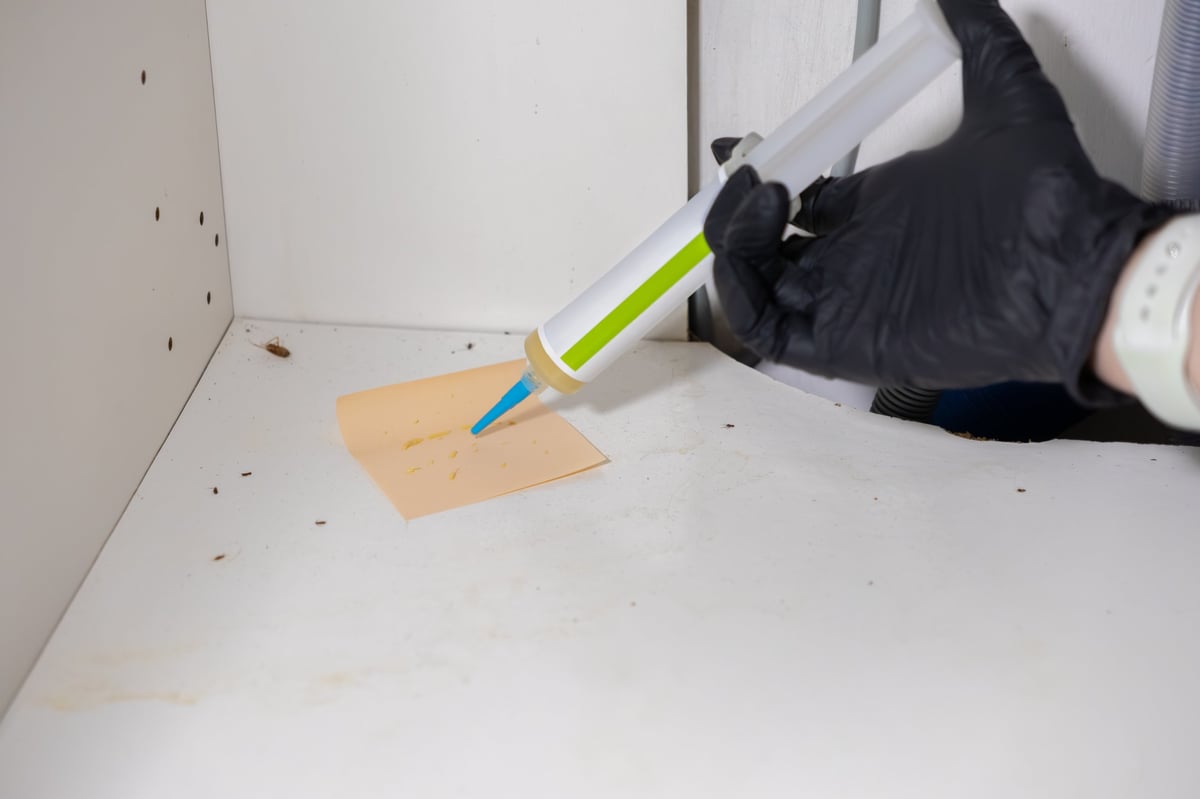
Baiting technique, not spraying, is what separates a real roach service from a maintenance contract that keeps coming back.
Tell us about the business. We review your Maps presence, service and service-area pages, conversion path, reviews, and call handling — then walk you through what we found.
Campaign strategy
A sugar ant trail in a kitchen and a German cockroach infestation in a twelve-unit building are the same keyword and completely different economics. Treating them as one campaign is why so many operators conclude ant and roach ads “don't work.”
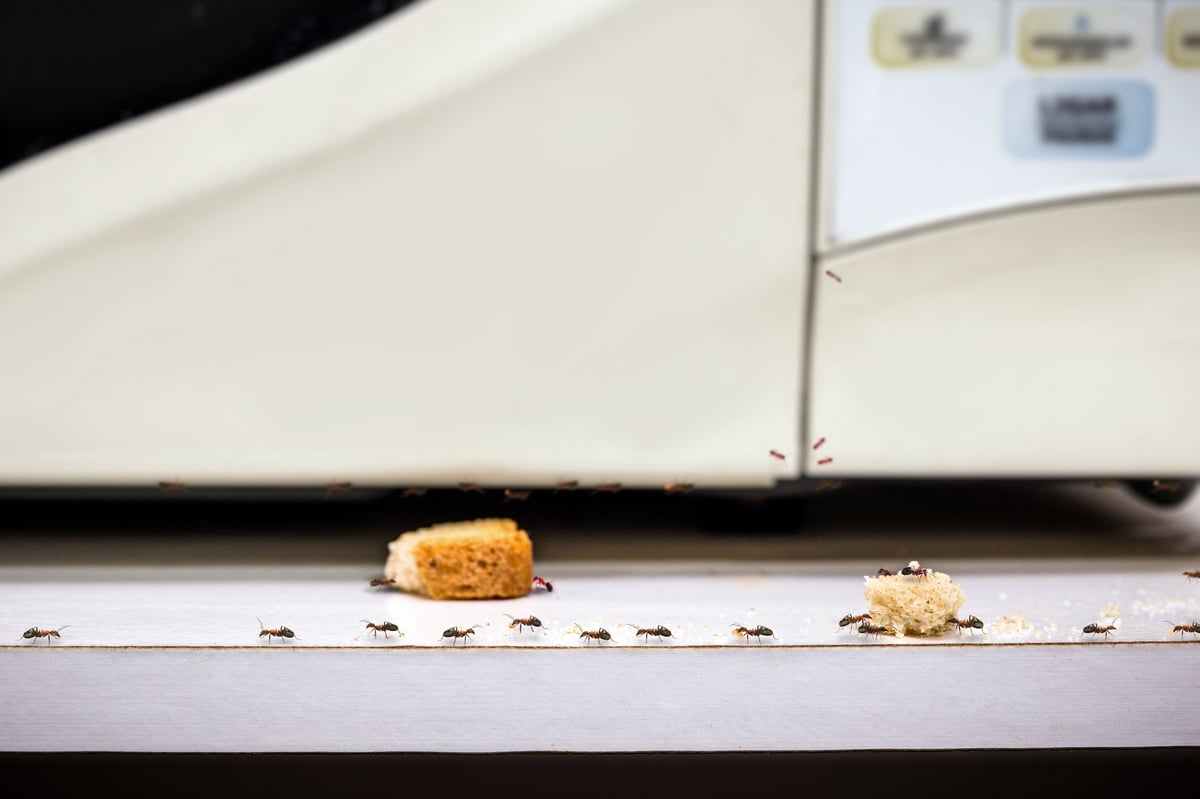
Pavement ants, odorous house ants, field crickets. Small ticket, quick job, high price sensitivity. Only worthwhile if it converts to a plan or feeds reviews.
Play: recurring plan as the default offer
The most profitable residential roach work — and the most likely to need multiple visits, bait rotation, and sanitation coaching. Underbid this and it becomes a money-losing callback machine.
Play: dedicated landing content, multi-visit pricing
Contract value, documentation, and audit risk. These buyers are not shopping on the same search terms as homeowners and shouldn't share a page with them.
Play: route to the commercial campaign
Most ant callers have already used a store spray. That kills foragers and can split a colony, making the problem worse. Explaining repellent versus non-repellent products on the page is unusual in this category — and it's exactly what makes someone choose a professional over another bottle.
Keywords
“Ant exterminator,” “roach treatment,” “cockroach control” — exclude DIY and product research
Bid strategy
Low-ticket keywords need lower bids and tighter geography than termite
Plan attach
The campaign is only profitable if a real share of callers leave on a plan
Qualification
Ant and roach is a volume game with thin margins. Three operational facts decide whether the volume turns into profit or into a busy schedule of unprofitable visits.
Ant work fails seasonally and roach work fails if the customer cleans with the wrong products. Both generate callbacks. If the plan price doesn't absorb them, the campaign quietly loses money even while the phone rings.
German roach work especially depends on bait placement and on the customer not wiping it away. A five-minute explanation during the visit prevents more callbacks than any page copy ever will.
A twelve-unit roach call arriving through a residential page will get a residential quote and then go sideways. Have a routing rule and a person who can talk about contracts and documentation.
Page structure that works
Split the page into clearly labelled ant and roach sections with their own headings. It reads better for a human, and it gives search engines two distinct topical blocks instead of one paragraph claiming to cover everything.
FAQ
Only as a customer acquisition channel for recurring plans. Bought as standalone one-off jobs, the math rarely works after the cost of the callback. Bought as the front door to an annual plan, it works well — the first visit essentially pays for the lead.
Ideally yes, and German roaches deserve their own page on their own. A combined page is acceptable for a smaller operator, but it needs genuinely separate sections with their own headings — not one paragraph that mentions both and moves on.
Usually by not competing on the number. Explain what the visit includes, how many trips, and what the warranty actually covers. Customers who've already paid for two cheap treatments that didn't work are the easiest converts in this category.
We review what's publicly visible — Business Profile, ant and roach pages, plan pricing visibility, mobile conversion path, and reviews — plus what you tell us about capacity and routing. Then we reach out and walk through it. No long-term contract.
No. Plan attach rate is mostly a phone and pricing decision, not a marketing one. What we can do is make the plan visible and clearly valuable on the page, and report honestly on how many leads came in versus how many attached.
One request, a real review of your ant and roach pages, and a straight answer on whether the volume is converting to plans or just filling the schedule.