Whether the electrical scope is named
Transfer switch, service rating, circuit planning, disconnect. Plenty of generator pages talk about reliability and never once say what the electrician is actually installing.
Standby & Backup Power
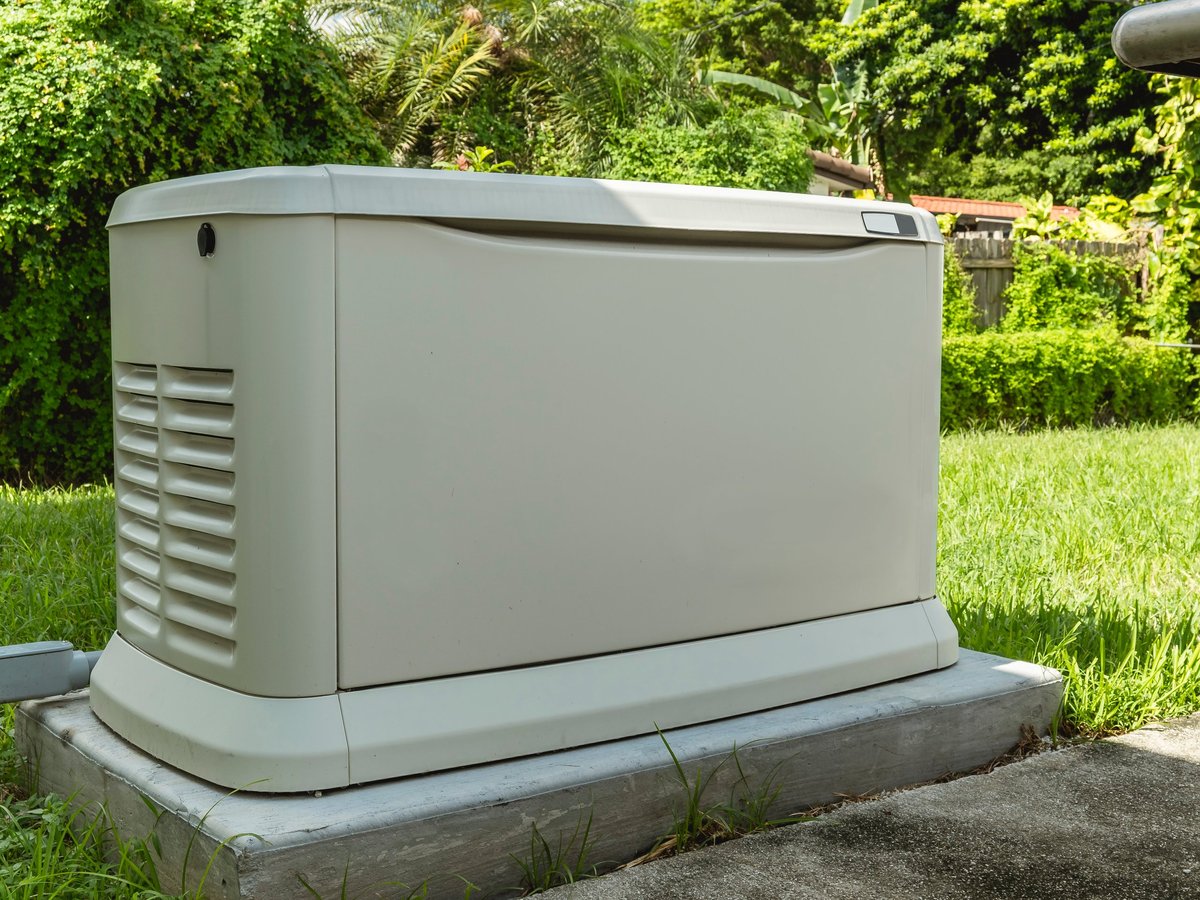
Somebody already had the conversation about brand, kilowatts, and whether the unit sits on a pad or a platform. What is still unsolved when they open a search box is the electrical work: the transfer switch, what actually stays energized, where the connection happens, and who is allowed to touch it.
This is not a page about being an authorized dealer or a promise about financing. It is about the gap between a homeowner looking at generator options and a qualified electrical contractor they can actually call.
Found On Local is a marketing company, not an electrical contractor. We do not install generators, size equipment, perform load calculations, pull permits, or coordinate gas or diesel fuel supply. That work belongs to a licensed electrician and the trades around them.
Tell us about the business and the towns you cover. We look at how your standby generator work appears in search, whether your pages explain the electrical scope, and what happens to a project request after it arrives.
That did not go through.
Nothing was submitted, and your details are still in the form. Please try the button again, or call (573) 520-3674 and we will take the information directly.
Request received — thank you.
Your details reached us. We review the account, then reach out by phone or email to walk through our findings. If you need to add anything in the meantime, call (573) 520-3674.
If nothing arrives, check the spam folder in case our reply was filtered.
What the review actually looks at
Standby generator work is a considered, higher-ticket, occasionally urgent purchase. Someone searching for it is usually weighing a real expense against a real worry about outages. These are the six handoffs where that homeowner either reaches a contractor or keeps scrolling.
Transfer switch, service rating, circuit planning, disconnect. Plenty of generator pages talk about reliability and never once say what the electrician is actually installing.
Whole-home or selected circuits, and why those differ in cost and outcome. This is the single most common thing a homeowner is unsure about, and almost nobody explains it plainly.
Site visit, what gets documented, permit where one is required, inspection, and the day the work happens. A vague sequence is a common reason a homeowner stalls at the quote stage.
Whether someone can send a photo of their panel, their address, and what they want backed up in the evening from a phone — and whether that request is answered before they call the next name.
Photos of completed installs and reviews that mention generator work specifically, not just "fixed my outlet." We describe what is already there — we do not invent job photos or testimonials for you.
Outage patterns and housing stock differ town to town, so the specific places you cover matter more than a statewide claim. We look at whether those places have somewhere of their own to land.
What this review is not: it is not a dealer authorization, a financing program, a rebate lookup, or a promise that a storm will send work your way. It is an honest read on the six handoffs above.
Request the review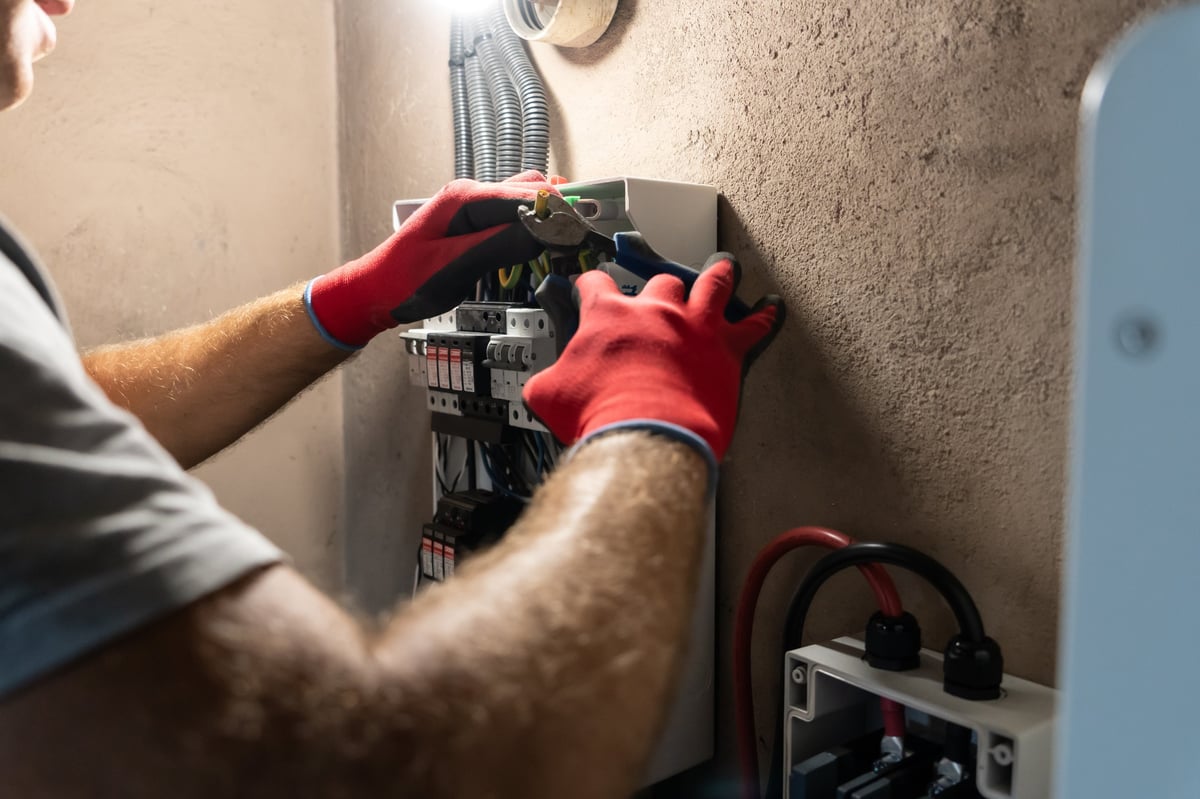
The part that isn't the box
Between the equipment and a working system sits a body of electrical work: a transfer switch so the home is not fed from two sources at once, a plan for which circuits stay energized, and a connection sized and permitted for the load it is meant to carry. Homeowners rarely have the vocabulary for that work, which is exactly why the contractor who explains it reads as the credible option.
A page that names those steps — without guessing at code, sizing, or what a local inspector will require — does something a brand landing page cannot. It answers the question the homeowner is actually holding.
We do not write load calculations, code interpretations, permit requirements, or statements about fuel supply and manufacturer authorization. Those come from your licensed electricians and the trades you coordinate with — we make sure what they know is on the page and readable on a phone.
What qualifies a project
These jobs are not won on a callback alone. Someone has to establish what the property has now, what the homeowner expects to keep running, and whether the existing service can support the plan. The inquiries that arrive with that groundwork are the ones that turn into scheduled work instead of two phone calls and a dead end.
That is a form design and page-clarity problem, not a sales problem — and it is one of the things the review looks at directly.
The existing service
A panel photo tells an electrician more in ten seconds than three paragraphs of description. Service size and available capacity sit at the center of every one of these projects.
What has to stay on
A furnace and a refrigerator is a different scope from a whole house. Asking the homeowner to name what matters to them prevents the wrong plan entirely.
Site conditions
Where the equipment would sit, the run to the panel, and how the property is arranged. Distances and access change the work before any equipment is discussed.
Who else is involved
Whether the homeowner already has a unit selected, a dealer involved, or nothing decided. Each of those starts the conversation somewhere different.
Who answers — a named person, or an inbox nobody owns
What the first reply says — a real answer, or "just checking in"
How it is recorded — whether you can tell how many projects came from it
Straight answers
If the answer you need is not here, call and ask directly. We would rather answer the question than have you submit a form you are unsure about.
That happens, and it is one of the reasons this category is worth understanding. Some sales channels bundle an installer. Others sell the box and leave the homeowner looking for someone to handle the transfer switch, the load planning, and the permit. Those are exactly the searches where a licensed electrical contractor can be found first.
No. Standby generator demand is seasonal, weather-driven, and heavily influenced by how households in an area heat and power their homes. It is not a steady flow you can promise a number against. What we can describe honestly is the work we would do and how we would report on it.
No. Dealer or authorized-service relationships are between you and a manufacturer, and we do not arrange, imply, or advertise them. If you hold those relationships, you tell us which ones you can state publicly and we will describe them accurately.
No. We do not arrange financing, quote payment terms, or publish utility or manufacturer incentive figures. Those belong to your business or to the program that administers them, and putting invented numbers on a page would mislead homeowners and put you in a bad spot.
We will structure and edit it, but the technical claims need to come from your licensed electricians. We do not perform load calculations, interpret code, or state what a permit office will require. We make sure what you already know is on the page, findable, and readable on a phone.
No long-term contract. We would rather earn the work month to month, which also means we will tell you when a scope does not justify the spend.
One place to start
One short request. A person reviews the account and tells you what they found — including the parts that are working fine and the parts that are not. The findings are yours whether or not you hire us.
Handling emergency calls, panel upgrades, charger installs, generator work, and everything in between? See the full electrician marketing approach rather than just the generator slice.