Wildlife Campaign

Wildlife is a different business than pest control

A raccoon in a chimney isn't a pest problem, it's an animal welfare and property damage problem with a legal boundary running through the middle of it. Seasonality, state rules, and licensed handling all change what you can advertise and when.

Ads that work for roaches will generate calls you can't legally serve if they don't respect that. The pages that perform here are specific about species, honest about what happens to the animal, clear about the repair handoff, and careful about seasonal restrictions — because the caller is often simultaneously worried about the animal, the roof, and whether they're allowed to do anything at all.

  • Species-specific landing content instead of one “wildlife” catch-all
  • Seasonal and licensing rules reflected in what the ads promise
  • Clear handoff language for damage repair and attic restoration
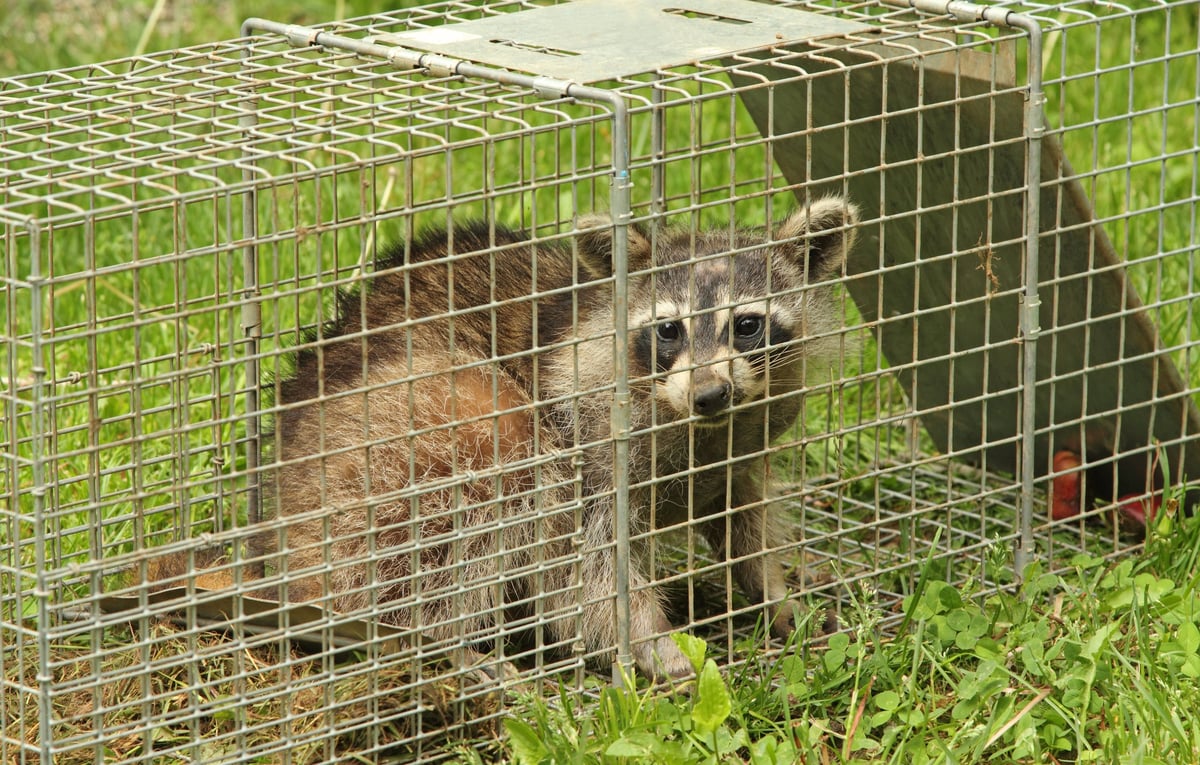
A raccoon inside a live animal trap awaiting humane relocation.

Removal is only half the job. Callers who hear “and here's how we prevent the next one” convert far more readily than those who hear “we'll trap it.”

Get My Free Pest Control Marketing Audit

Tell us about the business. We review your Maps presence, service and service-area pages, conversion path, reviews, and call handling — then walk you through what we found.

List the cities or counties you actually send technicians to.

We use your details only to follow up about this request. We do not sell or rent your information. Read our Privacy Policy and Terms & Conditions.

Campaign strategy

The rules change the campaign

Wildlife removal is regulated in ways pest control is not. Bats have protected seasons in most states. Relocation rules vary. Some species require a licensed wildlife control operator rather than an applicator license. Advertising that ignores this generates calls you cannot legally serve — and in some jurisdictions, that's a compliance problem rather than just a wasted click.

Seasonal exclusion windows

Bat work in particular is often restricted during pup season because exclusion would trap flightless young inside. Ads running year-round on bat terms produce calls that must be deferred for months — and callers who don't understand why.

Play: pause or reframe bat campaigns by season

Licensing is a selling point

Callers worried about a raccoon in the attic are frequently worried about the animal too. Stating licensing and humane handling plainly on the page converts better than any discount, and it filters out the bargain calls.

Play: licensing and methods visible above the fold

The repair handoff

Removal leaves a hole. Insulation is ruined, soffit is chewed, and the homeowner suddenly needs a contractor. Being explicit about whether you repair, subcontract, or refer protects the relationship and the review.

Play: state the handoff in the page and on the phone

Structure it by species, not by “wildlife”

Raccoons, squirrels, bats, and birds are four distinct searches with four distinct fears. A single generic wildlife page ranks poorly and converts worse, because none of those callers see their problem described. If volume justifies it, species pages pay for themselves quickly.

High intent

“Raccoon removal,” “squirrel in attic,” “bat removal” beat browses like “wildlife control”

Urgency

Scratching at night and animals in living space need after-hours intake

Reviews

Reviews mentioning humane handling and clean removal convert best here
Qualification

Before you spend a dollar on wildlife ads

Three answers determine whether this campaign is viable at all. If any of them is “no,” the money is better spent on the services you can actually deliver.

1. Are you licensed and permitted for the species you'd advertise?

Wildlife control often sits under a different license than structural pest control, and bat work specifically usually requires more. Advertising a species you're not permitted to handle is a real liability, not a lead quality issue.

2. Who answers the phone at 10pm when something is in the living room?

Wildlife calls are the most time-sensitive in pest control and they cluster at night. A voicemail here means the job goes to whoever answers — and the caller may then become a permanent customer of that company.

3. Do you repair the damage, or refer it?

Both are fine — but they need to be deliberate. If you refer repair work, having a trusted partner ready turns the gap into a differentiator. If you don't, you'll spend the first ten minutes of every call explaining what you don't do.

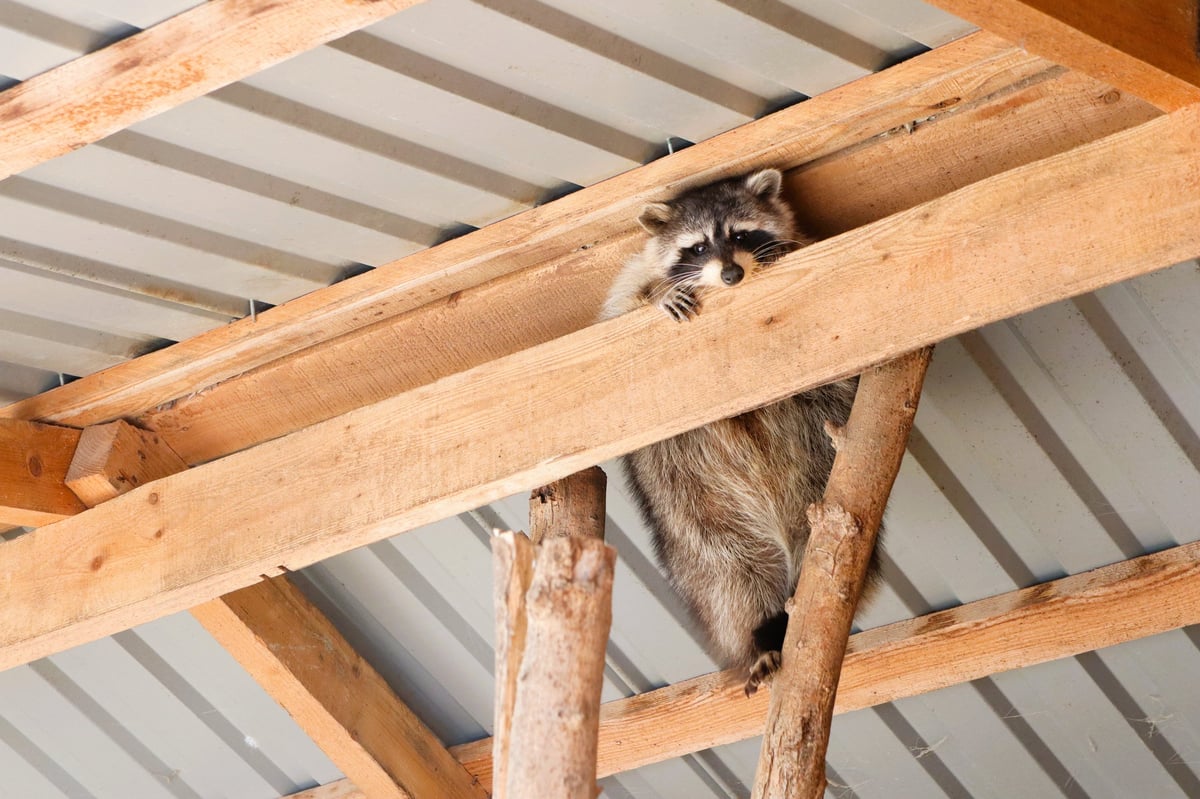
A raccoon perched on wooden beams inside a building, illustrating an attic wildlife intrusion.

Worth knowing

Wildlife customers often become repeat pest control customers — they have a house with a known vulnerability. Attribution that follows the customer past the first job will show this campaign performing much better than a single-touch report suggests.

FAQ

Wildlife campaign questions

Build a wildlife campaign that respects the rules

One request, a real review of your wildlife pages and seasonal coverage, and an honest read on which species are worth advertising.