Pressure & pump diagnosis
Weak showers, a pump short-cycling, or a pressure gauge bouncing between readings. Diagnostic work that separates a pump problem from a tank or switch problem.
Diagnose firstDemonstration website created by Found On Local. This is not an operating plumbing company.
Valley Well & Plumbing
Rural water systems
Homes outside the city line
A page structure built around private wells: the pump, the pressure tank, the treatment equipment, and the ordinary plumbing that ties them together. Written for homeowners whose water answer isn't "call the utility."
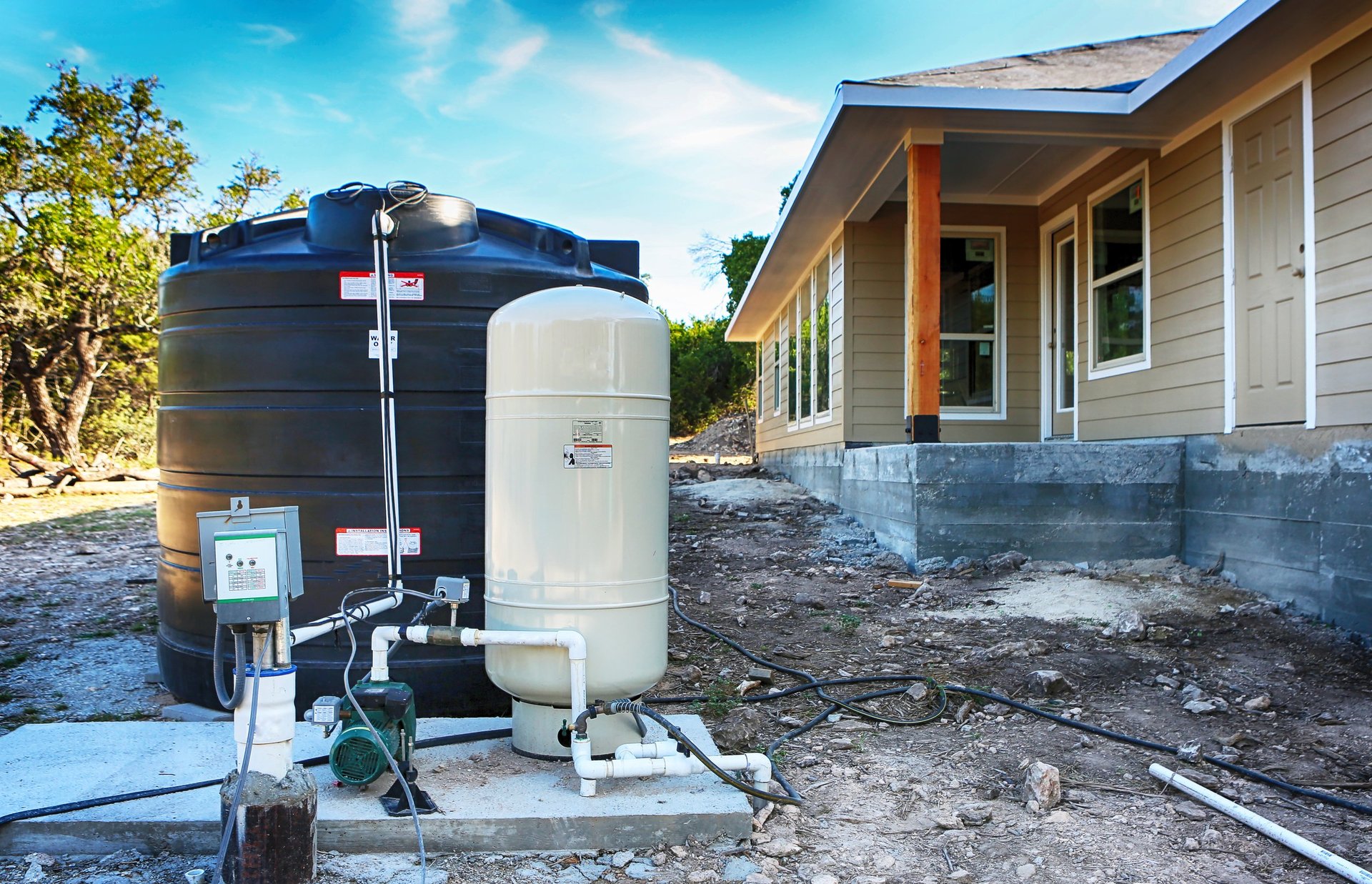
Reference photograph of well equipment. Not a Valley Well installation and not a customer property.
Private wells
Pumps & pressure
Water treatment
General plumbing
A rural plumbing office visits homes on wells, cisterns, and shared lines. Those systems fail in a recognizable sequence — pressure first, then quality, then the ordinary fixtures downstream.
Why this layout exists
City plumbers describe a service the customer already understands. Rural plumbers have to explain the equipment. These cards are ordered as an explanation, not as a menu.
Weak showers, a pump short-cycling, or a pressure gauge bouncing between readings. Diagnostic work that separates a pump problem from a tank or switch problem.
Diagnose firstSubmersible and jet pump work, including the parts homeowners don't see: the drop pipe, the torque arrestor, the wire, and the pitless adapter.
Below groundTank sizing, air charge, pressure switch settings, and the difference between a waterlogged tank and a failed pump — a distinction that changes the invoice considerably.
Set, don't guessSediment, hardness, iron, and sulfur each need different equipment. Treatment recommendations follow a water test, not a sales script.
Test-basedFixtures, drains, water heaters, and supply lines. The same work a city plumber does — just reached over a gravel driveway instead of a driveway with a curb.
Inside the houseThese are category descriptions for a demonstration layout. No service is offered, no pricing is stated, and no response time is promised anywhere on this page.
Rural plumbing offices lose time driving to properties for information the homeowner already had. This section exists to collect it early — and it is also why the form fields later match these questions.
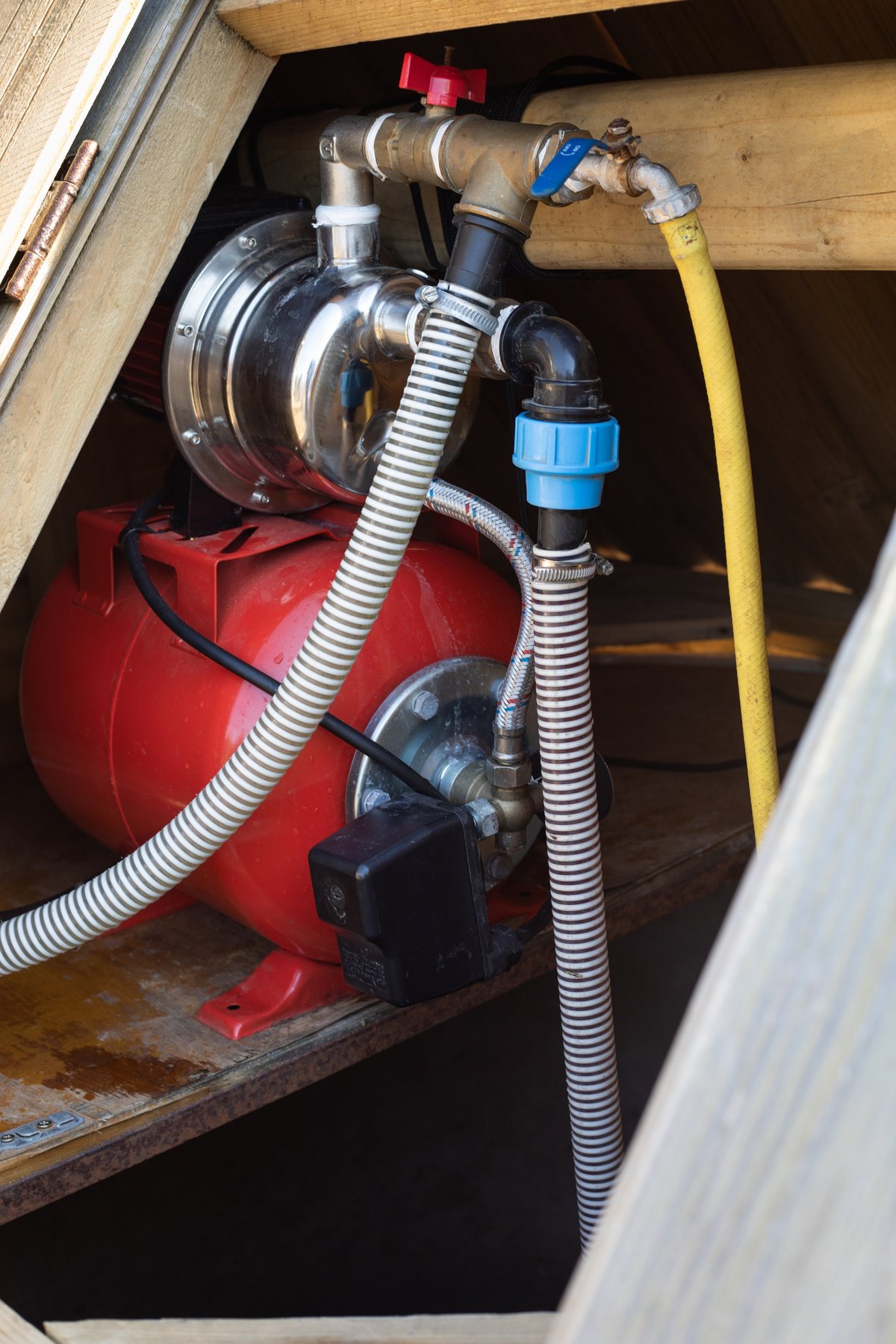
Reference photo of pump equipment inside a well. Not a Valley Well job site, and not a customer's property.
What this page does not claim
A single slow faucet points at an aerator or a clogged cartridge. Low pressure everywhere points at the pump, the tank, or the line coming in. The two answers lead to completely different visits.
A pump that cycles with every tap is often a tank problem, not a pump problem. A pump that never shuts off suggests a leak or a lost prime. Listening for a few minutes tells you which direction to look.
Sediment after a storm, a sulfur smell that wasn't there before, or cloudiness at the tap are quality signals. They belong in the conversation early, because treatment equipment is specified from a test — not from a guess.
Rural layout that explains instead of sells
Found On Local built this structure for contractors whose customers need the system explained first.
Service area, explained honestly
Every other section on this page is a layout example. This one is the honest version of a section real rural plumbers struggle with: how to tell a homeowner whether their property is actually reachable. A fabricated street address would make the page look finished and be the single most misleading thing on it.
Street · ZIP · map pin
A real rural plumbing page should state the town it runs from, the counties it travels to, and a shop address a customer could drive to. None of that can be invented here, so none of it appears.
For properties on wells and septic, drivability matters more than distance. A shop two towns away on a highway can be closer in practice than a neighbor across a river with no bridge.
Access
Gravel roads, gates, steep driveways, and seasonal closures all affect whether a service truck can reach the wellhead.
Equipment
Pulling a submersible pump takes a rig and a power source. Some properties require planning that a city service call never does.
Water source
A drilled well, a dug well, a cistern, and a shared line are four different conversations before any work is discussed.
Permits
Rural permitting varies by county and by well type. A real page states what the contractor handles, in the jurisdictions it serves.
Where a rural page earns its keep
Valley floor
Wells, irrigation lines, and older homes with mixed pipe materials.
Foothills
Deeper wells, more pump strain, and longer runs to the house.
Outlying acreage
Cisterns, shared lines, and properties that need a route check first.
Terrain descriptions only. No towns, counties, or distances are named on this demonstration page.
Written to answer the thing behind the question — usually "is my water safe right now, and can anyone get here?"
Still unsure
A description of what the water is doing is more useful than a category name. Call and explain it.
(573) 520-3674The fields below mirror the three questions above. That is deliberate: a rural intake form should collect the information that decides whether the visit is even necessary.
Property type — well, cistern, shared line, or city water changed over.
Symptom spread — one fixture, one floor, or the whole house.
Access notes — gate codes, gravel roads, or a wellhead that's hard to reach.
Demonstration form
Submissions go to Found On Local, which built this example. No plumbing contractor receives them, and no one will be dispatched.
Mockup — rural property intake
Found On Local · Plumbing marketing examples
Long driveways, seasonal roads, and equipment the customer has to understand before agreeing to anything. Found On Local builds plumbing sites around that reality — with a real address, real counties, and published pricing once there's a real business behind them.
Demonstration website created by Found On Local. This is not an operating plumbing company.
Valley Well & Plumbing
Demonstration example. Fictional company; no services are offered.
Other examples
Example page · Noindex, nofollow · Not in navigation or sitemap
Design and code by Found On Local