Hail Damage Campaign
A storm rolls through on a Tuesday. By Wednesday your whole service area is searching. By the following weekend, out-of-town storm crews have set up tents in parking lots and the searches go quiet. If your page and your ad account are not ready before the storm, you compete for the leftovers.
This campaign is built for surge, not steady state: a hail page that can take volume immediately, a phone process that can triage hundreds of calls, and an honest statement about your current backlog before people drive across town.
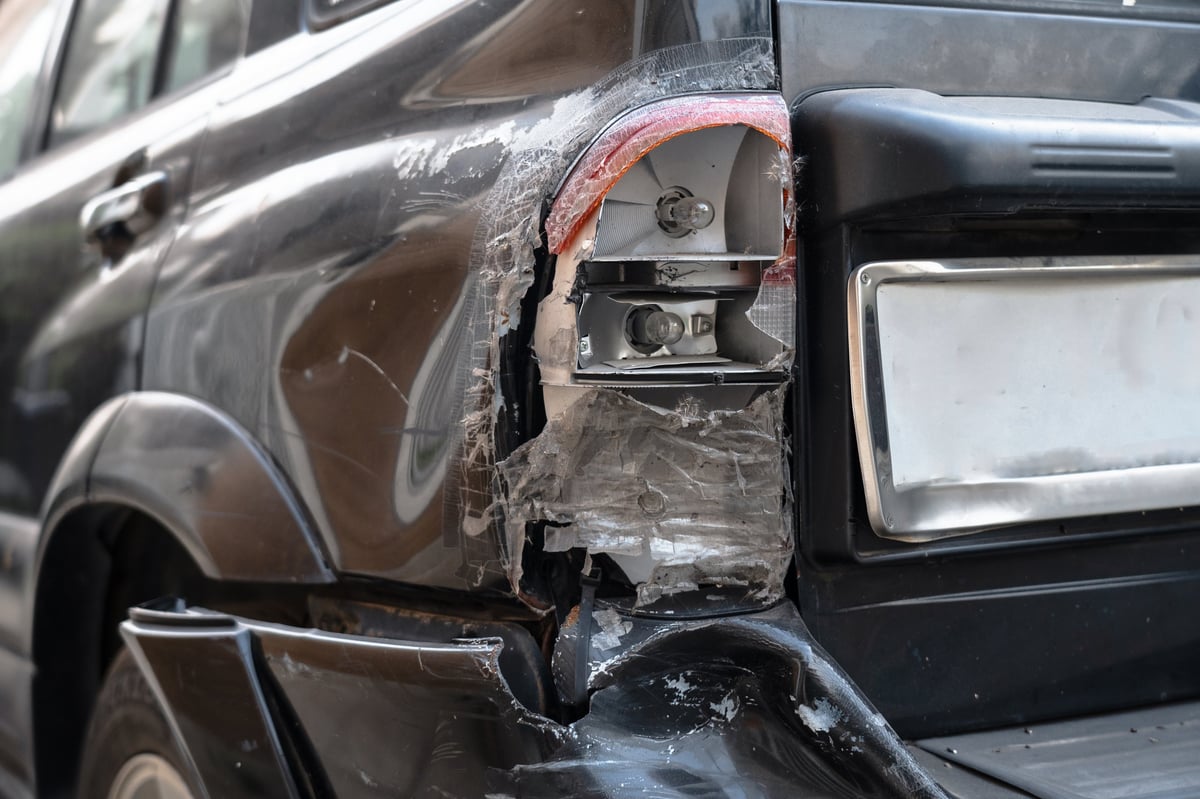
Storm damage photos are the hardest to fake and the most persuasive. Real ones, from your own lot, outperform anything stock.
Tell us about the shop. We review your Maps presence, service and city pages, photo-estimate path, reviews, and call handling — then walk you through what we found.
The storm timeline
Hail demand does not build slowly. It goes from zero to overwhelming in about 18 hours, peaks for a week, and then collapses as out-of-area crews and insurer channels absorb the rest.
Day 0 — hours 0 to 6
Searches spike hard. Most callers have not contacted their insurer. They want to know if it's fixable and whether to file. Whoever answers here gets first pick.
What has to be ready: a live hail page, tap-to-call that works on a saturated network, and a human or an instant auto-reply that offers a photo upload.
Day 1–3
Adjuster appointments fill. Callers now ask a different question: "how long until you can see my car?" Capacity and honesty matter more than price.
What has to be ready: a stated queue length, an online inspection scheduler, and a consistent answer from everyone who touches the phone.
Day 4–7
Out-of-town crews set up tents and buy aggressively. Your local credibility — address, reviews, years in business, real photos — becomes the whole differentiator.
What has to be ready: a visible local presence signal and a review profile that reads as established, not brand new.
Week 2 onward
People who went with a storm chaser and got a bad result, plus people whose claim took two weeks to approve. Smaller, but real and far less price-sensitive.
What has to be ready: the page stays up. A "we're still taking hail work" banner outperforms a page that quietly goes dark.
The honest part: if your shop genuinely cannot handle more hail volume, buying hail ads is a way to spend money generating frustration. We will say so in the audit. A smaller campaign focused only on your real capacity beats a large one that buries your front desk.
Free Auto Body Marketing Audit — we'll tell you whether your hail page, call process and capacity can handle a surge, and what to fix first.