Found On Local builds and manages commercial roofing advertising for roofing companies. Commercial work isn't a faster version of residential — it's a procurement process, often with a property manager, an owner, and a budget cycle all deciding separately.
We're a marketing agency. We don't install or repair roofing, and this page is written for roofing company owners — not property managers soliciting bids.
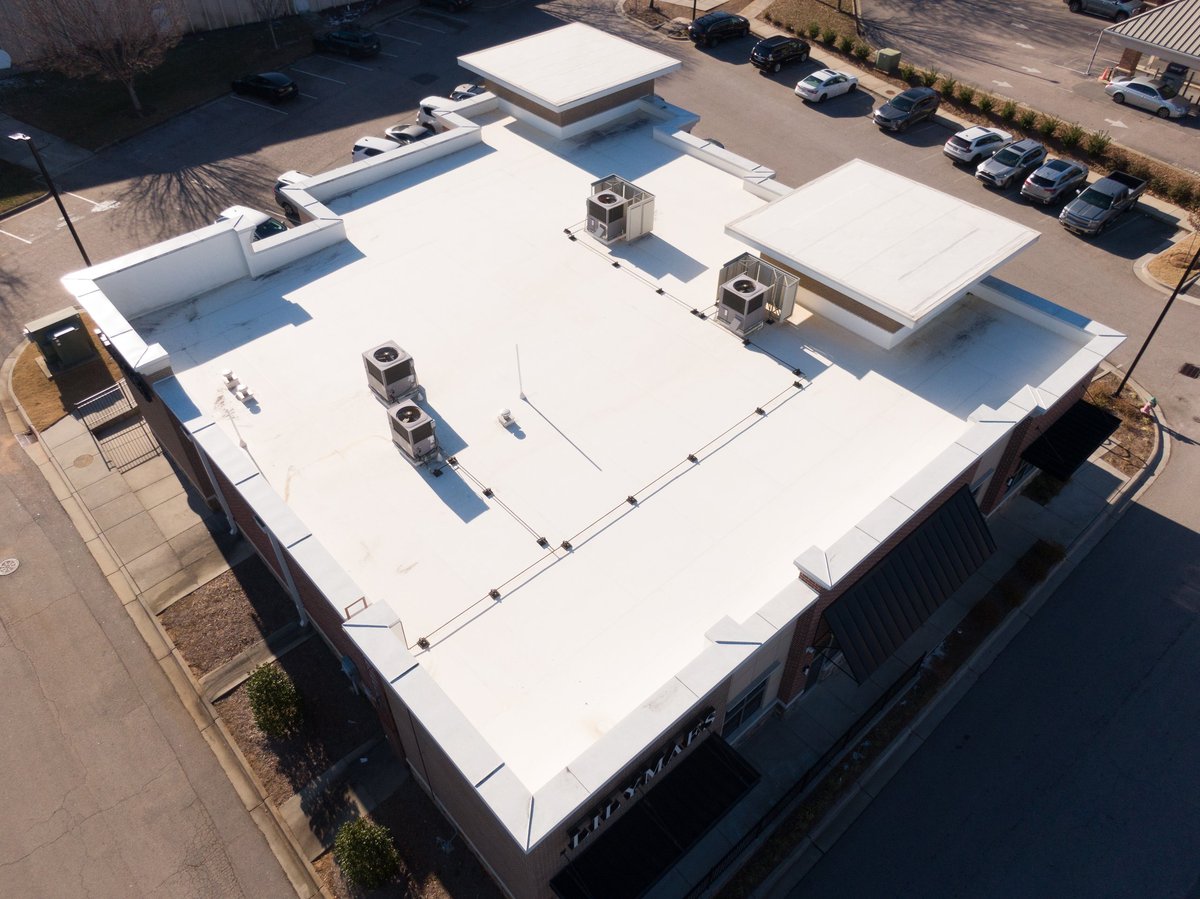
A property manager searching for commercial roofing is usually building a shortlist. They need to know whether you can handle their building type, whether you carry the required insurance, whether you'll provide documentation their ownership group requires, and whether you've done work like theirs before.
Very little of that is answered by a generic roofing ad. This is why commercial campaigns behave so differently — the click is cheap relative to the contract, but the path from click to signature runs through a committee and often a budget cycle.
Fewer leads, longer cycles, more documentation. The campaign is designed for that shape rather than fighting it.
Commercial searches are more technical and more system-specific than residential. Buyers often know the membrane type they have.
Credibility language beats urgency here. Nobody is replacing a commercial roof this week because of an ad.
Commercial landing pages should read like capability documents. Warmth matters less than clarity about what you can handle.
Commercial forms can be longer, because the buyer expects a qualification step. But each field still has to earn its place.
This is the longest cycle of any roofing campaign. Without a deliberate cadence, commercial inquiries simply evaporate into a budget cycle you never hear about again.
Campaign structure varies by market, budget, and service area. Nothing above is a promise of rankings, lead volume, contract awards, or revenue.
Commercial campaigns lean on documentation and long-cycle nurture more than any other roofing service.
System and building-type queries, which is how commercial buyers actually search.
Title and industry targeting for property and facility managers — often the best fit for B2B here.
Limited use — commercial buyers respond to it less than homeowners do.
Attribution across cycles that may span several months before a decision.
Capability statement, spec sheets, and COI request flow, ready when asked.
Wider radius than residential — commercial jobs justify longer travel.
Filtering suppliers, material buyers, job seekers, and residential intent.
A capability-first page with systems, building types, and a document request option.
Quarterly contact aligned to budget planning, not weekly follow-up pressure.
Qualified commercial inquiries and pipeline age, not same-month close rates.
Availability of any component depends on platform rules, account setup, and your market. Inclusion is decided in scoping, not assumed.
For roofing company owners and operators. Commercial campaigns are scoped around your systems, capacity, and documentation readiness.
What roofing owners ask about advertising to property and facility managers.
A free roofing growth audit reviews your site, visibility, ads, intake, and follow-up — including whether a property manager researching flat roofing today would ever find you.
Fees, budget, and scope are quoted per market. Nothing on this page guarantees rankings, lead volume, contract awards, or revenue.