Claim Campaigns for Roofing Companies

Insurance Claim Roofing Ads for Homeowners Who Don't Know the Process

Found On Local builds and manages insurance claim roofing advertising for roofing companies. This audience isn't shopping for a price — they're trying to figure out whether their damage is even claimable, and what happens next if it is. Confusion, not cost, is the barrier here.

We're a marketing agency, not a public adjuster or an insurer. We don't handle claims, adjust losses, or negotiate settlements, and this page is written for roofing company owners — not homeowners with an active claim.
  • Process-first messaging
  • No guaranteed claim outcomes
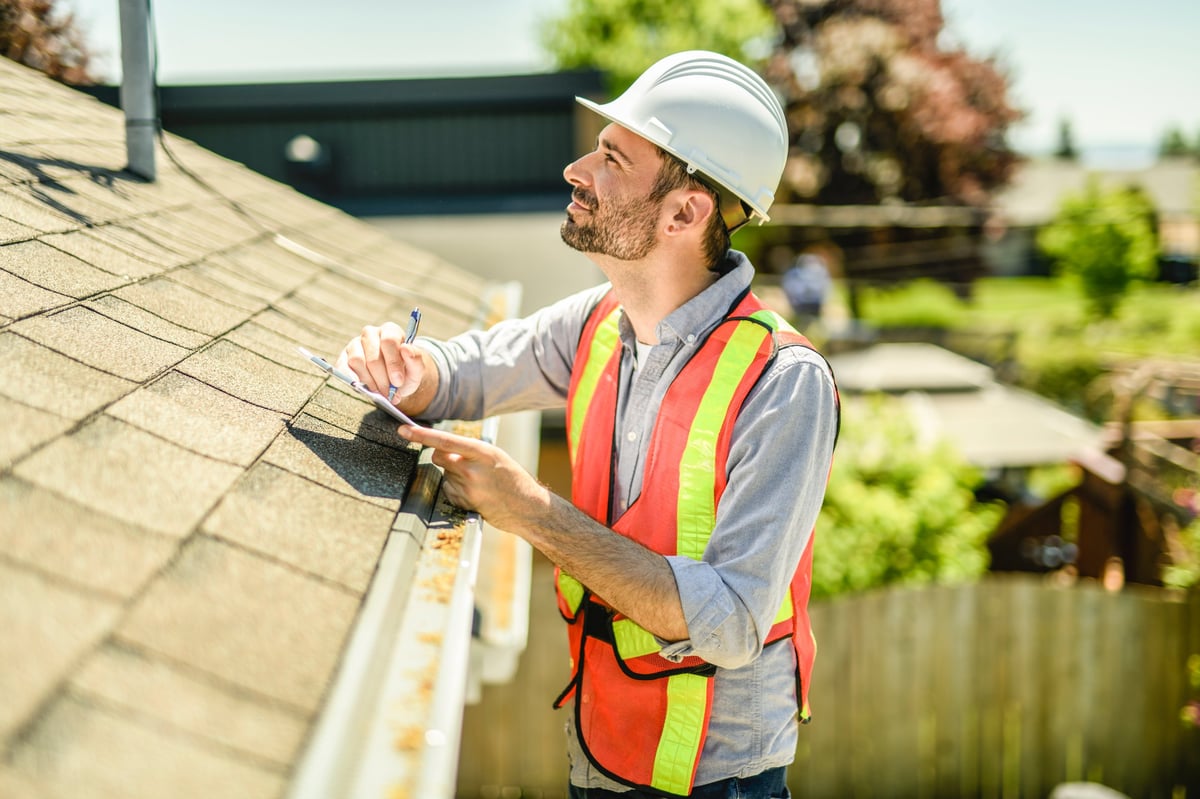
A man with a white hard hat holding a clipboard, inspect house
The Search Intent

Claim Searchers Want Reassurance, Not a Pitch

A homeowner with storm damage usually has two fears that have nothing to do with your price: that they'll pay for something insurance would have covered, and that filing a claim will raise their rates or get them dropped. Neither fear is irrational, and neither is addressed by a "free inspection" banner.

The campaigns that work here explain the process honestly. What's typically covered, what isn't, what the deductible means, what happens at the adjuster meeting, and what you can and can't say about their policy. Roofers who overpromise coverage create angry customers at the end of the job.

What makes claim intent different

  • Eligibility anxiety. "Is my damage bad enough to claim?" comes before "who should I hire?"
  • Fear of consequences. Rate increases, cancellation, and claim history are real worries.
  • Third parties involved. The insurer, the adjuster, and sometimes a mortgage company all have a say.
  • Stormy trust. Post-storm markets fill with out-of-town crews, so skepticism is earned.
Campaign Strategy

How We Build an Insurance Claim Campaign

Educate first, inspect second, and never promise what an insurer decides.

1

Search themes

Split eligibility questions from process questions. They're different stages and deserve different landing content.

roof insurance claim denied does homeowners insurance cover roof hail damage roof claim roof adjuster meeting what to expect roofing contractor insurance claims supplement roof claim
2

Ad message angles

Every claim ad carries regulatory and ethical weight. These are the angles that stay honest and still convert.

  • Offer a documentation inspection, not a "free roof"
  • Explain that you can meet the adjuster and photograph conditions
  • State plainly that coverage decisions belong to the insurer
  • Never say or imply you'll "get your roof covered"
3

Landing-page elements

This page does more teaching than any other roofing landing page. That's appropriate — it mirrors the actual conversation.

  • A step-by-step walkthrough of the claim timeline
  • What you document and why (photos, measurements, damage notes)
  • Clear explanation of deductible and out-of-pocket expectations
  • A statement that you are not a public adjuster and don't negotiate claims
4

Qualification questions

These route the lead into the right track immediately — an already-filed claim needs different handling than an unfiled one.

  • Have you already filed a claim?
  • Has an adjuster visited yet?
  • What kind of damage — hail, wind, or something else?
  • When did the damage occur?
5

Follow-up approach

Claim timelines are set by insurers, not by you. Follow-up has to respect that rhythm or it reads as pressure.

  • Confirm adjuster meeting dates and offer to attend
  • Follow up after the insurer's decision with clear next steps either way
  • Keep documentation on file for supplements
  • No contact promising a different outcome than the insurer gave

Campaign structure varies by market, budget, and service area. Found On Local is a marketing agency and does not adjust, negotiate, or settle insurance claims. Nothing above is a promise of rankings, lead volume, claim approval, or revenue.

What Can Be Included

What a Claim Campaign Can Include

Claim campaigns need documentation tooling and a longer follow-up structure than most other roofing services.

Google Search Ads

Eligibility and process queries split into separate ad groups and pages.

Local Services Ads

Often strong post-storm, since the Google Guaranteed badge offsets skepticism.

Meta & retargeting

Neighborhood storm-event messaging and retargeting for undecided homeowners.

Call tracking

Recording calls matters here — claim conversations carry real compliance risk.

Damage documentation flow

Structured photo and measurement capture tied to each inquiry.

Storm-event targeting

Turning on campaigns by actual hail and wind paths rather than whole-metro radius.

Negative keywords

Filtering adjuster jobs, public adjuster licensing, and insurance-agent intent.

Conversion-focused landing page

A process-education page with the timeline, deductible explanation, and role limits stated.

Long claim-cycle follow-up

Check-ins tied to adjuster appointments and insurer decisions, not arbitrary cadence.

Reporting

Filed versus unfiled claims, adjuster meetings booked, and approved-job conversion.

Availability of any component depends on platform rules, account setup, and your market. Inclusion is decided in scoping, not assumed.

Request My Campaign Plan

For roofing company owners and operators. Tell us how you handle claims today so we can build a campaign that matches your actual process.

We use your details only to follow up about this request. No obligation, and no guarantee of claim approval or results is implied by submitting.

Claim Campaign Questions

Insurance Claim Roofing Advertising Questions

What roofing owners ask about advertising claim-related work responsibly.

Can we say "we'll get your roof covered by insurance"?
No. Coverage is the insurer's decision, and claiming otherwise creates real legal exposure in many states and sets up a customer for a bad experience when the claim is denied. We write claim campaigns around documentation and process help — things you actually control — and explicitly state that approval belongs to the insurer. This isn't just safer; it also attracts better-fit customers.
How is this different from advertising to homeowners generally?
The content burden is much higher. A general homeowner campaign can lead with price, speed, or reviews. A claim campaign has to explain eligibility, deductible, the timeline, and the adjuster's role before the homeowner feels able to make a decision. If your landing page doesn't teach, the traffic mostly won't convert.
Is storm-season advertising worth the budget spike?
Sometimes, and carefully. Costs rise when everyone turns on campaigns after the same storm, and out-of-town companies flood the market. Where it works is when you can turn on fast and geographically tight — following the actual hail path rather than bidding across the whole metro. If you can't respond within a day, the spike is usually wasted.
What if we don't want to deal with claims at all?
Then don't advertise it — and consider adding claim-related negative keywords to your other campaigns, because claim searchers will still find you otherwise. We'd run self-pay replacement and repair instead and explicitly filter out insurance intent so you don't pay for leads you'll have to turn down.
Should we partner with a public adjuster?
That's a business decision outside what we manage. Some roofers find it useful for complex or disputed claims; others prefer to stay entirely out of the negotiation. What matters for the campaign is that any relationship is disclosed clearly, and that you don't imply a role you don't hold. We can build the campaign either way, but we won't market a public adjuster service as a roofing service.
Do you guarantee claim approvals or lead volume?
No to both, and the first one isn't something a marketer or a roofer can promise at all — it's the insurer's determination. We report on inquiries, filed claims, and adjuster meetings booked. Anything beyond that would be a claim we have no standing to make.
Next Step

Build a Claim Campaign That Survives a Denial

The campaigns that hold up are the ones that promise process help instead of outcomes. If your current messaging leans on coverage promises, we'll tell you plainly — and show you what to say instead.

Disclosure: Found On Local is a marketing agency, not a roofing contractor, insurance provider, public adjuster or claims representative. We do not file, negotiate, adjust or approve insurance claims, and nothing on this page is legal or insurance advice. Claim eligibility, coverage and approval are determined solely by the insurer and are subject to policy terms and applicable state law. Contractors are responsible for verifying licensing, advertising and claim-related compliance requirements in the states they operate in.