Check engine light campaign

A light is not a diagnosis, and that is your opening line

This is the highest-volume, lowest-patience search in auto repair. Someone is sitting in a parking lot with a warning lamp on, searching on their phone, deciding whether to keep driving. They do not know what the light means and they are half-afraid of the answer.

Most shops answer this search by offering a free code scan. That attracts people who want free — not people who want their car fixed. The better play is to be the shop that explains the difference.

What this page explains first

  • Steady versus flashing — the difference between "soon" and "pull over"
  • Why the same code can mean three different things on three different vehicles
  • What a real diagnostic does that a parts-store reader cannot
Call (509) 508-1008
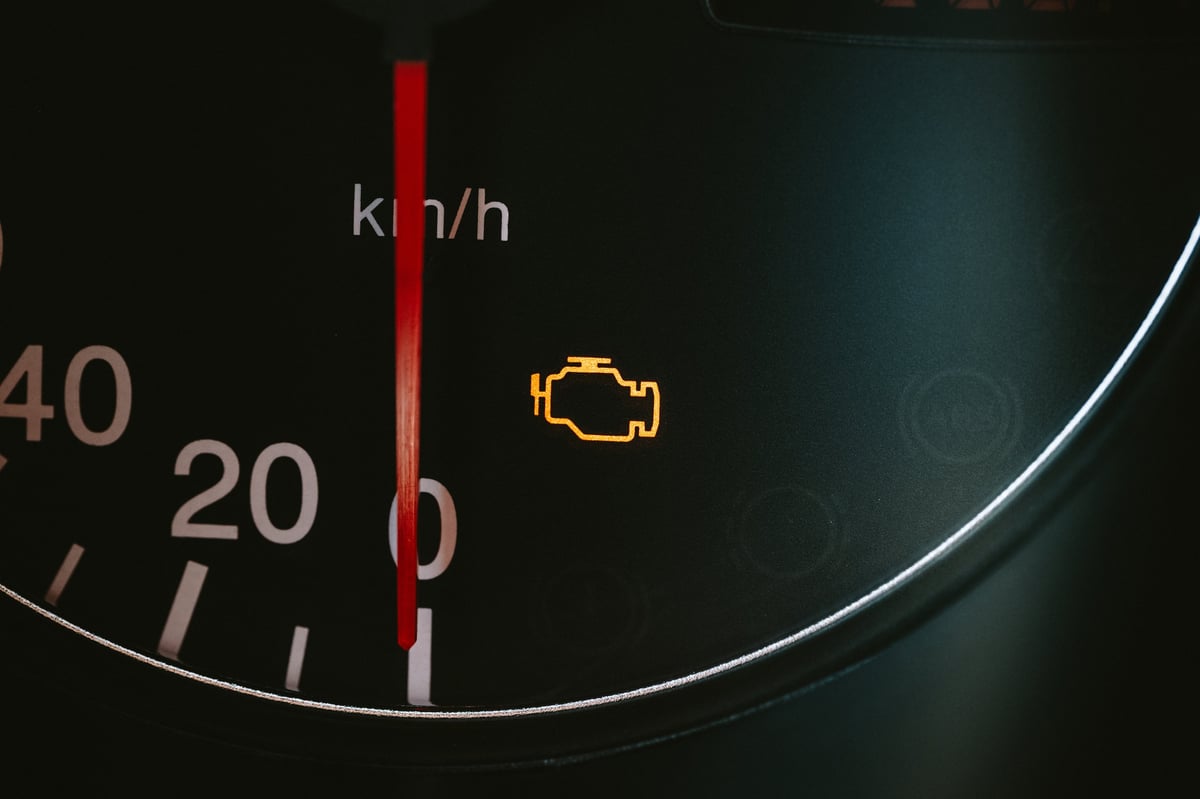
Close-up of a car instrument cluster with the check engine warning light illuminated

Triage that earns the call

Give them an answer before they call

A check-engine page that publishes honest triage guidance converts better than one that withholds everything behind a phone call. It also filters out the wrong customers.

Flashing light

Treat as urgent. A flashing check engine light usually indicates a misfire severe enough to damage the catalytic converter — an expensive part that nobody wants to replace because a repair was postponed.

Best practice is to reduce load, avoid hard acceleration, and have the vehicle looked at promptly rather than continuing to drive it. Your page can say that without diagnosing anyone's car remotely.

Steady light

Not an emergency, but not nothing. A steady light with normal driving behavior is usually a monitored system reporting a fault — emissions, sensor, EVAP, or a circuit issue.

The guidance to publish: it is reasonable to schedule rather than rush, but do not ignore it for weeks. Secondary symptoms and other warning lamps change that answer and should be mentioned.

Light came on, then went off

Common and easy to dismiss. The fault may still be stored, and an intermittent fault that self-clears today tends to return. This is where a shop that keeps the stored history looks far more competent than a shop that says "bring it back when it's on."

What a code cannot tell you

A P0420 does not mean "replace the converter." A misfire code does not mean "replace the coil." Say that plainly on the page and you have separated yourself from every competitor running a free-scan coupon.

A note on the free-scan strategy

Free scans are a legitimate lead magnet if the shop can convert them, and we will build that campaign if you want it. What we will not do is write copy that implies a scan is a diagnosis, or advertise a "free diagnostic" when the real diagnostic is billed. Shops that are straight about this get fewer tire-kickers and more authorizations.
What we actually build

Fast answers, then a phone number that works

This traffic decides in seconds. If the page does not immediately say "here is what your light probably means and here is what to do," they bounce back to the results and try the next shop. So the structure is inverted compared to a normal service page.

  • Triage above the fold

    Flashing, steady, or intermittent — answered before any sales copy. This is the single highest-leverage change in this campaign.

  • Click-to-call treated as the primary action

    Most of this traffic is on mobile and wants to talk to someone now. The number gets a sticky presence, not a link buried in a footer.

  • After-hours and weekend handling

    Lights come on at 8pm and on Sundays. Either the phone is answered, or there is a clear next step — a form, a text-back, or an AI receptionist handoff.

  • Keyword coverage by symptom, not make

    "Misfire," "rough idle," "oxygen sensor," "EVAP leak," plus vehicle-specific variants. Code-number searches are their own ad group and landing treatment.

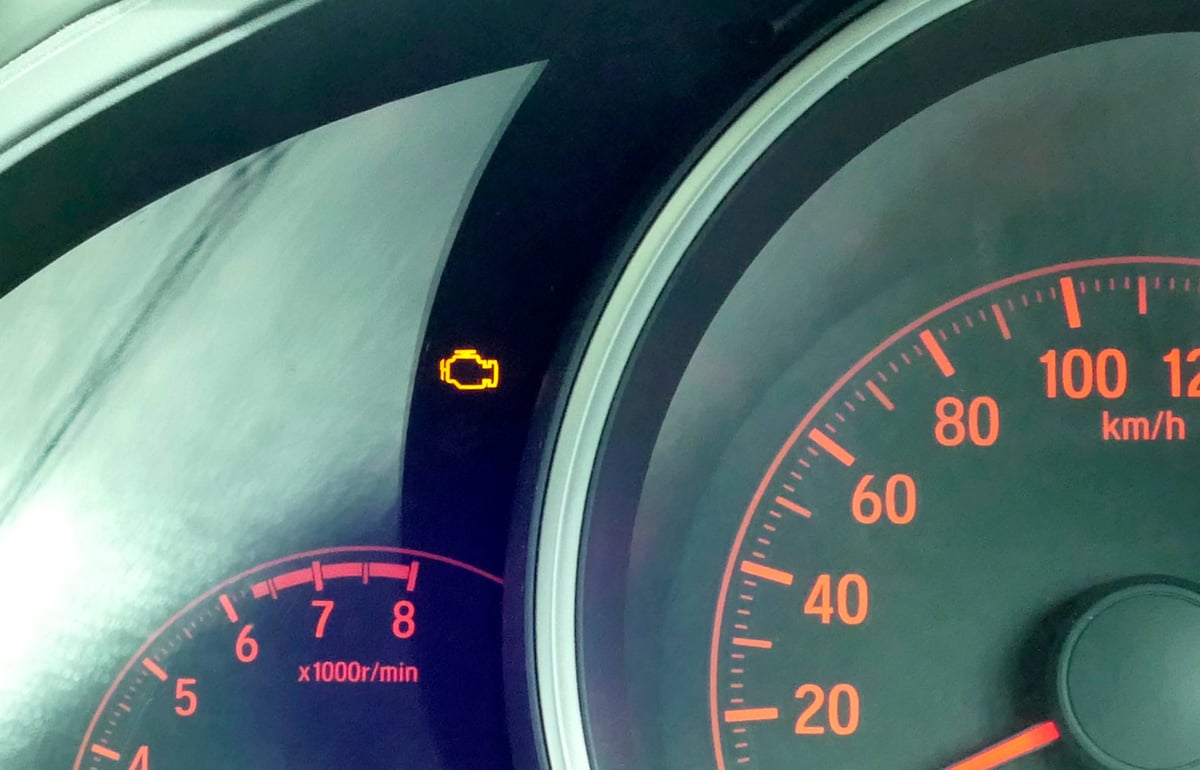
Close-up of a car gauge with the check engine warning indicator lit

Stock imagery used for illustration. Your shop's own dashboard and bay photos convert better for this audience.

See where your check engine traffic is bouncing

The free Auto Repair Marketing Audit reviews six areas of your local presence. For check engine light searches, the usual finding is a homepage landing with no triage, no phone in the first screen, and a bidding strategy that pays for code-number searches it cannot convert.

No rankings promised. No lead counts promised. No twelve-month contract.

(509) 508-1008

Get My Free Auto Repair Marketing Audit

Tell us about the shop and we will review it.

We use your details only to follow up about this request. Read our Privacy Policy.

Find out what your warning-light traffic is doing

Twenty minutes on the phone, no pitch deck, and a straight answer about whether the check engine searches in your market are reaching your shop or someone running a free-scan coupon.

Auto repair marketing overview The audit Found On Local home