Demonstration website created by Found On Local. This is not an operating landscaping company.

Tree & Shrub Care Demo brand — fictional
(509) 508-1008

Pruning & plant health care

Most tree work is a decision, not a service.

This demo shows how a tree and shrub care page should read: what structural pruning actually is, why plant health problems usually begin below ground, and when the honest answer is a removal rather than a treatment. Sample structure only — the company named above is fictional.

Both buttons reach Found On Local — not the fictional company. Nothing on this page can be purchased or booked.

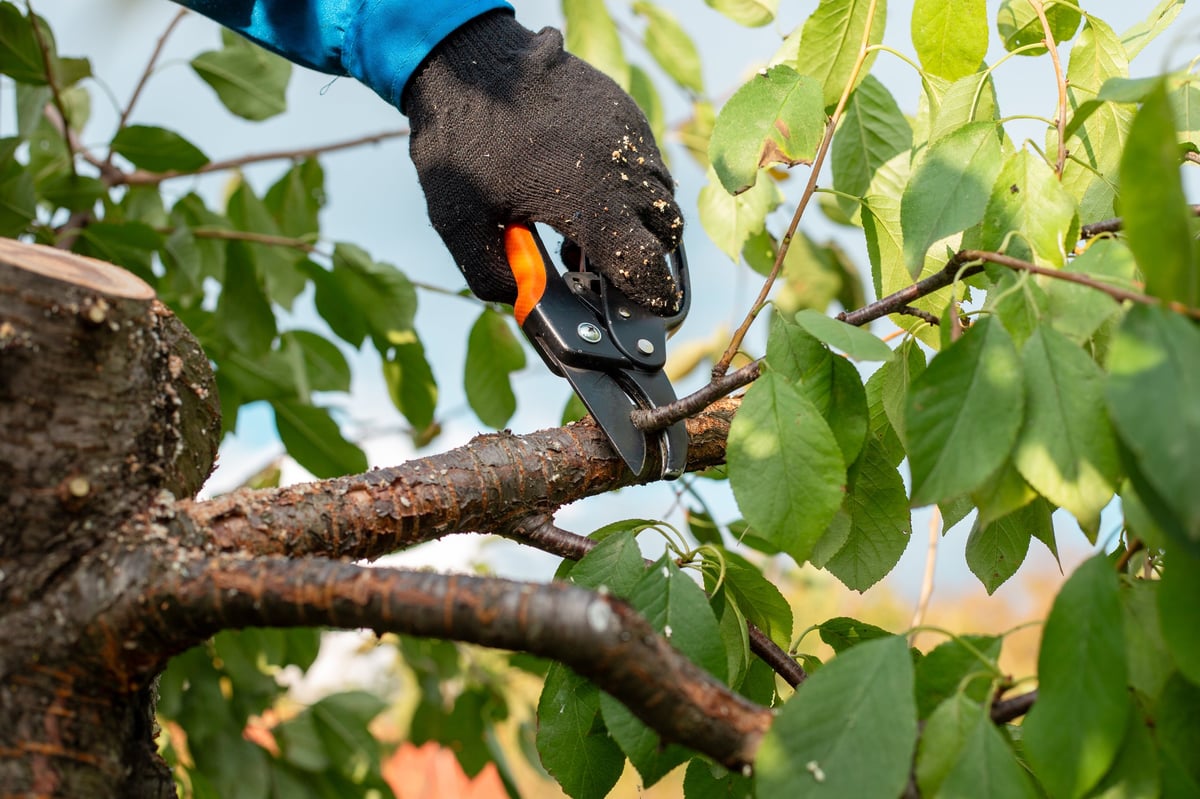
A gloved hand trims a small cherry tree branch with pruning shears, maintaining the tree's health and shape.

This page covers

Cutting correctly, and knowing when not to

Service structure

Five services, and the different reason each gets called

Nobody wakes up wanting structural pruning. They want the tree off the roof, the hedge back under control, or to know why the leaves turned brown in July. The service names are the industry's; the reasons are the customer's.

01

Structural pruning

Removing the right limbs to keep a tree sound — deadwood, competing leaders, crossings — rather than shearing a crown into a shape that will send up weak growth to fight it.

Called when: tree looks lopsided or risky
02

Hedge & shrub shaping

Renewal and selective pruning so a hedge keeps its foliage to the base. Repeated flat-topping over the years hollows a hedge out, and that is a conversation worth having before the cut, not after.

Called when: hedge is leggy or overgrown

03

Plant health care

Diagnosing what is actually wrong before treating it — soil, water, root disturbance, and site conditions first, then pests and disease. Treating a symptom while the cause persists just repeats the invoice.

Called when: leaves are browning or dropping

04

Removals & stump grinding

Taking down a tree that cannot be saved, with the access and drop-zone planning that decides whether it is a straightforward job or a rigged one. Stump grinding is quoted separately because it is separate work.

Called when: tree is dead, leaning, or in the way

05

Storm response

Hangers, split unions, and limbs on structures — the work that cannot wait for a scheduled visit. This demo does not claim emergency availability, because a page cannot promise a crew will be free.

Called when: a storm has left something hanging

Deliberately absent

No credentials invented

Tree work is a category where certification claims carry real weight. This demo names no certifications, insurance limits, licenses, crew sizes, or equipment, because a fictional company cannot hold them.

How Found On Local builds this

Why the split matters: tree care buyers arrive scared — of damage, of liability, of being sold work the tree did not need. A page that leads with a service list and a credential badge answers none of that. Naming the decision behind each service is what earns the phone call.

The honest part

A bad haircut on a tree is permanent

Grass recovers from a bad cut in two weeks. A tree compartmentalizes the wound and lives with it for its lifetime. That asymmetry is the entire argument for choosing tree work more carefully than lawn work — and it is what almost no landscaping page explains.

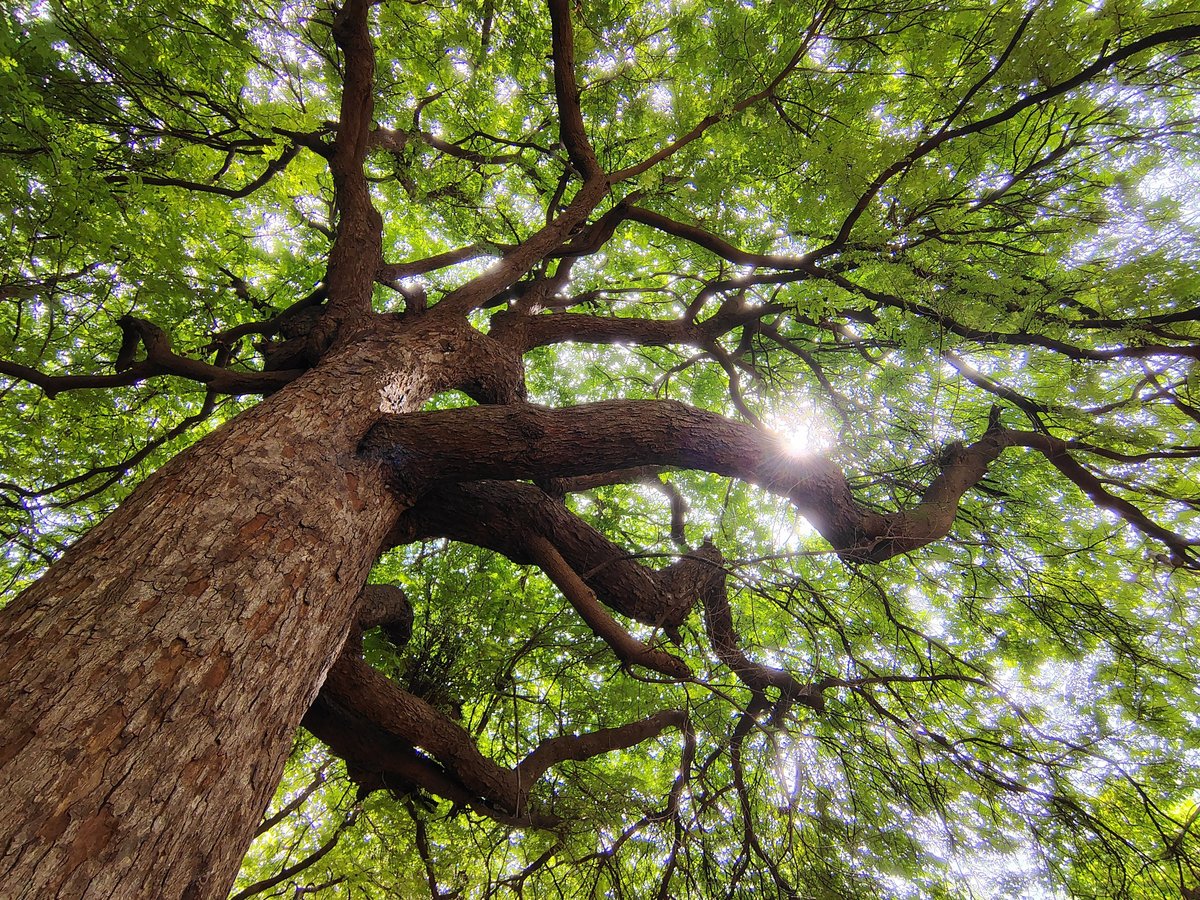
wide-spreading canopy of a Rain Tree (Samanea saman), known for its distinctive feathery foliage and the beautiful dappled light created as sunlight filters through its leaves.

This demo describes pruning principles only. It states no turnaround times, tree counts, success or survival rates, or price figures — those depend on the species, the site, and the season, and inventing them would make the rest of the page untrustworthy.

What harms a tree

  • Topping — cutting a crown back to stubs, which forces weak regrowth that fails later.
  • Flush cuts that remove the collar, so the wound cannot seal cleanly.
  • Sealing a wound with paint or tar, which traps moisture rather than protecting it.
  • Removing more than a modest share of live canopy in a single visit.

What helps

  • Removing deadwood and hazard limbs before they become a problem.
  • Pruning a young tree to a single leader, while it is still cheap to fix.
  • Thinning a dense crown for wind and light rather than shortening it.
  • Saying no — the healthiest recommendation is often fewer cuts, or none.

The seasonal question buyers actually ask

Dormant

The window most structural work is scheduled in, because the tree is not spending energy on leaves and the structure is visible.

Spring

Usually the time to leave a tree alone if possible — it is spending stored energy on new growth, and cuts compete with that.

Anytime

Dead, broken, and hazardous limbs come out when they are found — season does not override a limb over a driveway.

Diagnosis first

"What is wrong with my tree?" is four questions

A browning canopy is a symptom, not a diagnosis. The cause is usually one of a handful of things, and the order they are ruled out in matters — because spraying for a pest that is not there wastes a season the tree did not have.

Why tree pages lose the call

  • A services list with no indication of how a problem gets assessed
  • No explanation of what a site visit involves, so the caller assumes it is a sales call
  • Certification language with nothing behind it, which reads as marketing to anyone who knows the field
  • No honest answer to "can this tree be saved," which is the only question many visitors came to ask
01

Site & soil

Drainage, grade changes, compaction, and root disturbance from construction. Most decline starts here, below the visible problem.

02

Water

Too little and too much produce nearly identical symptoms. Bearing that in mind is what stops a watering problem from being sold as a disease.

03

Pest or disease

Considered once the site and water questions are answered, because a stressed tree invites pests that a healthy one resists.

04

Structure

Whether the tree is a hazard regardless of its health — a split union or a decaying base changes the answer entirely.

The part worth saying out loud: a fair share of tree problems are not fixable, and the useful thing a company can do is say so early. A page that admits this is more credible than one that promises every tree can be treated.

Page anatomy

What a tree and shrub page is built from

Five blocks do the work on a page like this. They are listed here so the structure is legible — and so it is obvious what has been deliberately left out of this demonstration.

Block 01

A decision, not a service list

The headline frames the work as judgment — what to cut, what to leave, what cannot be saved — which is what separates a care company from a crew with a chipper.

Block 02

Services tied to a trigger

Every service names the moment someone searches for it — the browned leaves, the hanging limb — instead of listing industry terminology.

Block 03

The permanence honesty

Stating plainly that a bad cut is permanent is the single most trust-building idea on a tree care page, because it is true and buyers already suspect it.

Block 04

Diagnosis before treatment

Showing the order problems get ruled out proves the company thinks about cause, not just about what it can sell.

Block 05

One clear next step

A single route to a site visit, with no competing chat widget or popup intercepting someone who is worried about their tree.

Deliberately excluded

Everything unverifiable

No reviews, star ratings, tree or job counts, prices, licenses, certifications, insurance limits, awards, years in business, crew sizes, addresses, success rates, or service guarantees. A demonstration should not invent proof.

Straight answers

Tree and shrub questions, answered plainly

Including the ones where the answer is "no."

Found On Local

This is what a tree care page can look like

Found On Local builds pages like this for real landscaping companies — tree and shrub care, plant health programs, pruning and removals, storm response, and everything between. If this structure would help your business, that is the conversation.

Tree & Shrub Care

A fictional brand used to illustrate a tree and shrub care page structure. No services, schedules, or pricing are offered.

  • Five services, each tied to a trigger
  • Correct versus harmful pruning practice
  • A diagnosis-first sequence
  • Responsive from mobile up

Reach the real business

Every contact path on this demo leads to Found On Local.

Demonstration website created by Found On Local. This is not an operating landscaping company.