01
Lawn-to-meadow conversion
Removing turf, addressing the weed seed bank that comes with it, and establishing a planting that reads as intentional rather than abandoned in the first year.
Intent: "replace my lawn"
Demonstration website created by Found On Local. This is not an operating landscaping company.
Native & drought-tolerant planting
This demo shows how a native planting page should read: what habitat planting actually looks like in each season, how a lawn conversion is staged, and what a garden asks of its owner once it is established. Sample structure only — the company named above is fictional.
Both buttons reach Found On Local — not the fictional company. Nothing on this page can be purchased or booked.
This page covers
Layered planting, season by season
Service structure
Native planting is not one product. A homeowner replacing a front lawn, a homeowner building a rain garden, and a homeowner who wants more birds are asking three different questions — and they land on the same website.
Removing turf, addressing the weed seed bank that comes with it, and establishing a planting that reads as intentional rather than abandoned in the first year.
Intent: "replace my lawn"
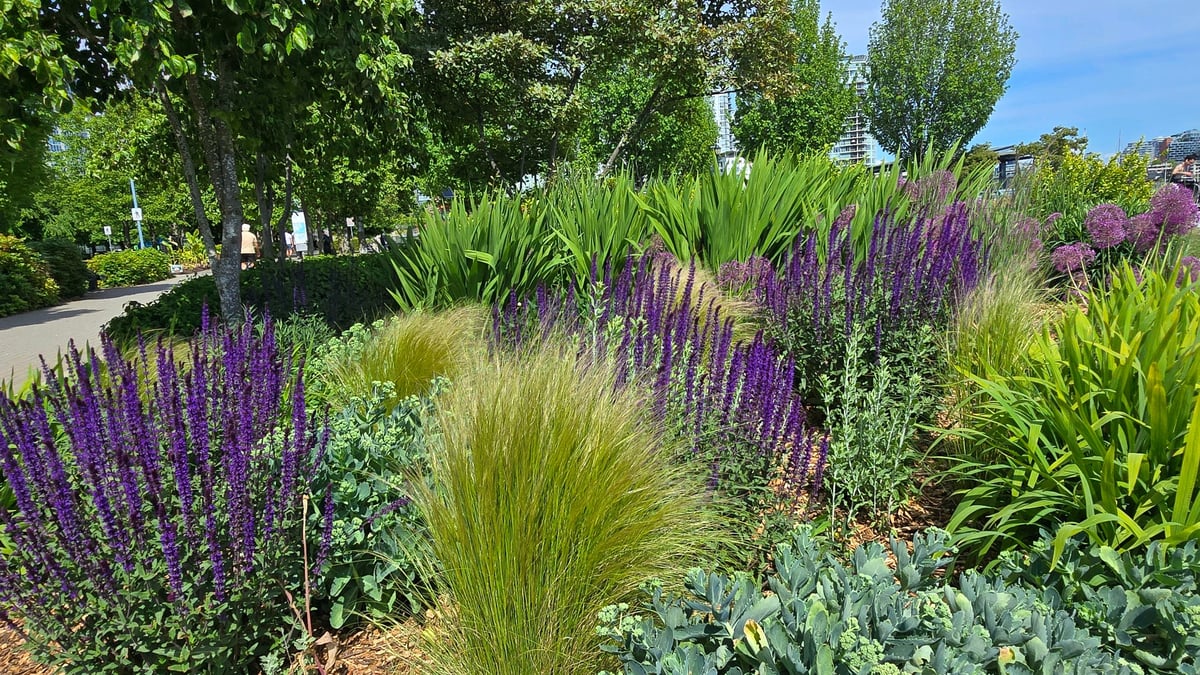
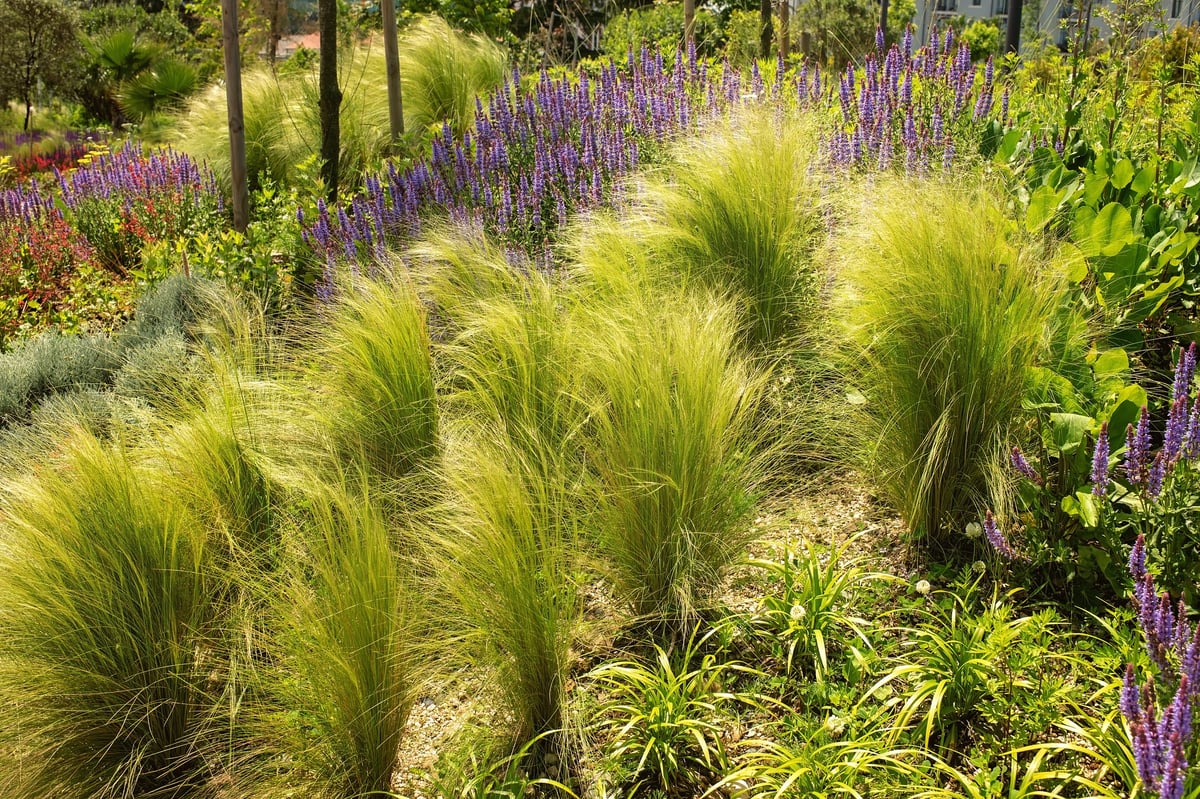
Layering canopy, shrubs, perennials and groundcover so there is something flowering across the season and structure left standing through winter for the insects that overwinter in stems.
Intent: "more birds and pollinators"
Sizing the basin to the actual roof and driveway runoff, amending the soil so it drains, and choosing plants that tolerate both standing water and the dry stretch in August.
Intent: "the yard floods"
Grouping plants by water need rather than spreading them evenly, so irrigation can be zoned down or retired entirely once the planting establishes.
Intent: "cut the water bill"
Why the split matters: native planting pages often collapse into a philosophy essay. The homeowner arrived with a specific problem — a flooding corner, a dead lawn, a water bill — and the page has to meet that problem before it earns the right to talk about ecology.
The honest part
Anyone who has planted native plugs knows the first season can look sparse — small plants, wide mulch, and a homeowner wondering what they paid for. A page that hides this is setting up the phone call that ends the relationship.
This demo describes the establishment arc as stages, not as a schedule. No specific timeframes, plant counts, survival rates, or price figures appear anywhere on this page — those depend on the site, the species, and the weather, and inventing them would undermine the rest of the page.
Year one
Roots establish before top growth. The planting looks thin, and the honest job here is watering discipline and weed suppression, not adding more plants to fill the gaps.
Year two
Plants start knitting together and the mulch line closes. This is usually the season the homeowner finally sees the design they were promised, and the season to photograph.
Year three
The garden reads as established, self-seeding begins, and maintenance shifts from watering to editing — pulling what is too aggressive and keeping the structure legible.
Ongoing
Leaving stems standing through winter, cutting back at the right moment in spring, and dividing what has spread. A native garden is managed, not abandoned — that distinction is worth stating plainly.
Winter interest
Stems left standing
What makes this page different
The standard landscaping page sells a June photograph. A native planting page has to sell the other three seasons, because that is where the value actually sits — and it is the part no competitor in a mowing market is talking about.
Spring
Cut back last year's stems once the new growth shows, so the overwintering insects have already emerged.
Summer
Peak flower and peak weed pressure. Editing out the aggressive species is the work, not watering the ones that belong.
Autumn
Seed heads, grass color, and the light that makes a meadow read best. This is the season to leave things alone.
Winter
Standing stems, frost, and birds. The season where the planting either has structure or looks like a dead patch — and that is a design decision made up front.
Page anatomy
Five blocks do the work on a page like this. They are listed here so the structure is legible — and so it is obvious what has been deliberately left out of this demonstration.
Block 01
The headline states a point of view about place and belonging, which is what separates a design practice from a maintenance company.
Block 02
Each service is framed by the homeowner's actual complaint — flooding, dead lawn, water bill — rather than by botanical category.
Block 03
Saying plainly that the first season looks sparse is the single most trust-building block on a native planting page.
Block 04
Showing the garden in winter and in seed is what proves the design was considered rather than installed.
Block 05
A consultation request, not a phone number competing with a form competing with a chat widget. One path, easy to follow.
Deliberately excluded
No reviews, star ratings, project counts, prices, licensing claims, awards, years in business, staff listings, addresses, acreage, plant guarantees, or survival percentages. A demonstration should not invent proof.
Straight answers
Including the ones where the answer is "no."
It can, and that is a design failure rather than a native-planting problem. Structure — an edge, a repeated species, a defined path — is what makes a naturalistic planting read as deliberate. A meadow with no frame looks like a neglected yard, and the honest version of this conversation says so.
No. Establishment watering is real and matters most in the first seasons. What changes is the trajectory: the goal is a planting that holds on rainfall once established, not one that requires permanent irrigation. Claiming zero water from day one is a promise the plants cannot keep.
No figure appears anywhere on this page, and that is deliberate. Square footage, existing turf, soil condition, plant size at install, and whether any hardscape is involved drive the number far more than a neighborhood does. Inventing a range in a demo would train viewers to distrust the rest of the page.
Usually yes, and often the better outcome. Smaller turf areas sized for how the yard is actually used, with planting taking the difficult corners, tend to hold up better than an all-or-nothing conversion. The page should make room for that middle path.
No. Native Garden Design is a fictional brand built by Found On Local to demonstrate a native and drought-tolerant planting page structure. Every contact path on this page reaches Found On Local.
Found On Local
Found On Local builds pages like this one for real landscaping companies — native and drought-tolerant planting, design-build projects, maintenance programs, and everything between. If any of this structure would help your business, that is the conversation.
A fictional brand used to illustrate a native and drought-tolerant planting page structure. No services, schedules, or pricing are offered.
Every contact path on this demo leads to Found On Local.
Demonstration website created by Found On Local. This is not an operating landscaping company.