Well & pump
Wells & pump power
Power and control for well pumps, pressure systems, and the run between the well head and the building it serves. Troubleshooting starts with understanding what feeds what.
Demonstration design by Found On Local — not an operating electrical company
Wells · Pumps · Shops · Barns
On a rural property the electrical is spread across distance — a well head, a pump house, a shop, a barn, a gate. Each is its own run, its own exposure, and its own failure mode. This layout is built for a contractor who plans from the property outward.
FieldLine is a fictional name. This number reaches Found On Local, the agency that built the example.
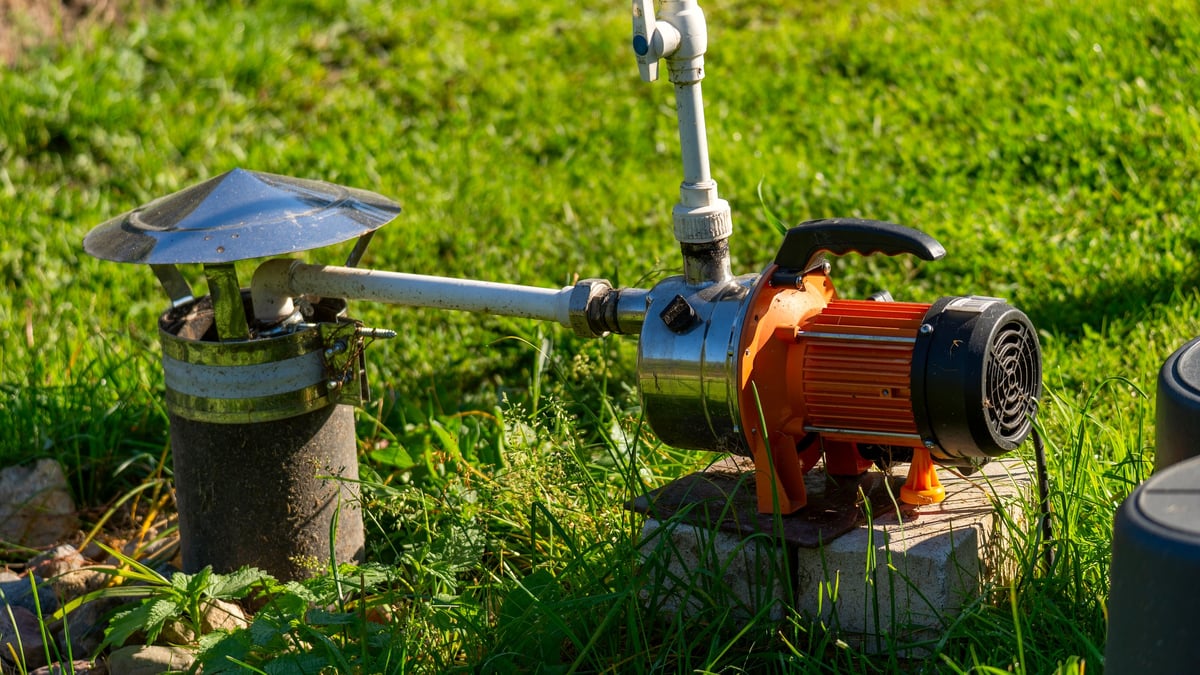
Field note 01 · well head & pump
Distance
Underground runs across open ground behave differently than wire inside a wall.
Exposure
Weather, livestock, equipment, and rodents all belong in the plan.
No acreage, voltage, or distance figures are published here. Every one of them would be invented.
What we work on
Rural electrical is organised by location before it is organised by task. The list below is the property, not a service menu — because the run between two points is often the real job.
Power and control for well pumps, pressure systems, and the run between the well head and the building it serves. Troubleshooting starts with understanding what feeds what.
Wiring for workshops and outbuildings where equipment loads, dust, and working conditions are unlike a house. Includes planning for how the building might grow.
Lighting, ventilation, and equipment circuits in agricultural buildings — where moisture, animals, and machinery shape both the method and the protection chosen.
Underground and overhead runs across open ground. Trenching, depth, protection, and voltage drop over distance all matter more here than in any residential interior job.
Entry gates, exterior lighting, and outlying receptacles — small loads individually, but each one is a separate run with its own access and protection question.
A map of what is on the property, what feeds it, and what the property is likely to need next. Worth doing before a new building goes up, not after.
Not on this page: per-run pricing, trenching quotes, acreage figures, or equipment brands. Rural costs depend on ground conditions nobody can see from a website.
(573) 520-3674How we work
You cannot plan a rural electrical system from an address. Someone walks the property, traces what feeds what, and photographs the conditions — ground, access, and exposure included.
The honest constraint
Rural work is weather-dependent and seasonally booked. This page states no response times or scheduling guarantees, because a contractor promising a date before seeing the ground is guessing.
Step 01 · Walk the property
Well, shop, barn, outbuildings, and grounds are located and their feeds identified. Photographs and notes are taken, because the plan has to hold up months later.
Step 02 · Note the conditions
Trench routes, equipment access, and how the run will be protected. This is where rural estimates diverge from suburban ones — the route matters as much as the wire.
Step 03 · Write the plan
Scope is written by location: what is being replaced or added at each point, and what is deliberately left alone. Exclusions are stated up front rather than discovered mid-project.
Step 04 · Execute & record
Work is completed by location, and the property keeps a circuit map of what was done. On a rural property that record is worth more than on most, because the next person to open a trench needs it.
What a landowner should ask
Who trenches, who restores the ground, and what happens if the route hits rock.
What we would not claim
Farms served, miles of trench, or years of experience. None is verifiable here.
Territory
Travel time changes what is practical. A property two hours out is not a worse customer — it is a different scheduling problem, and pretending otherwise helps nobody.
Band
Practicality
On the property
Near
Routine visits
Survey, work, and follow-up are all normal scheduling.
Mid
Planned, batched
Work is grouped so one trip can accomplish more of it.
Far
Declined
Beyond practical return distance for the size of work.
A live build would name counties, townships, or a drive-time boundary. No place names are invented on this page — and the three bands exist precisely so the boundary is honest rather than open-ended.
No yard address
FieldLine has no yard, no shop, and no mailing address, because it is a fictional company. A rural page showing a plausible county-road address would be the most misleading thing on it.
Ask about your propertyAlso unstated
Property request
A rural enquiry is really a description of a property: what buildings exist, what has power, and what does not. That list is more useful than a phone call that starts with a price question.
Inert from top to bottom
No action, no method, no endpoint, no handler that goes anywhere. Nothing leaves this page.
Found On Local — the agency behind this example
Rural property intake
Demo — transmits nothing
Field manual