Website Example Demonstration design by Found On Local — not an operating electrical company

Home charging, planned properly

The charger is easy. The circuit behind it is the work.

A layout for the electrician who plans home charging instead of just hanging a box on the wall: where the car parks, how long the run is, what the panel can actually spare, and what happens when a second vehicle shows up.

This number belongs to Found On Local, the agency behind this mockup.

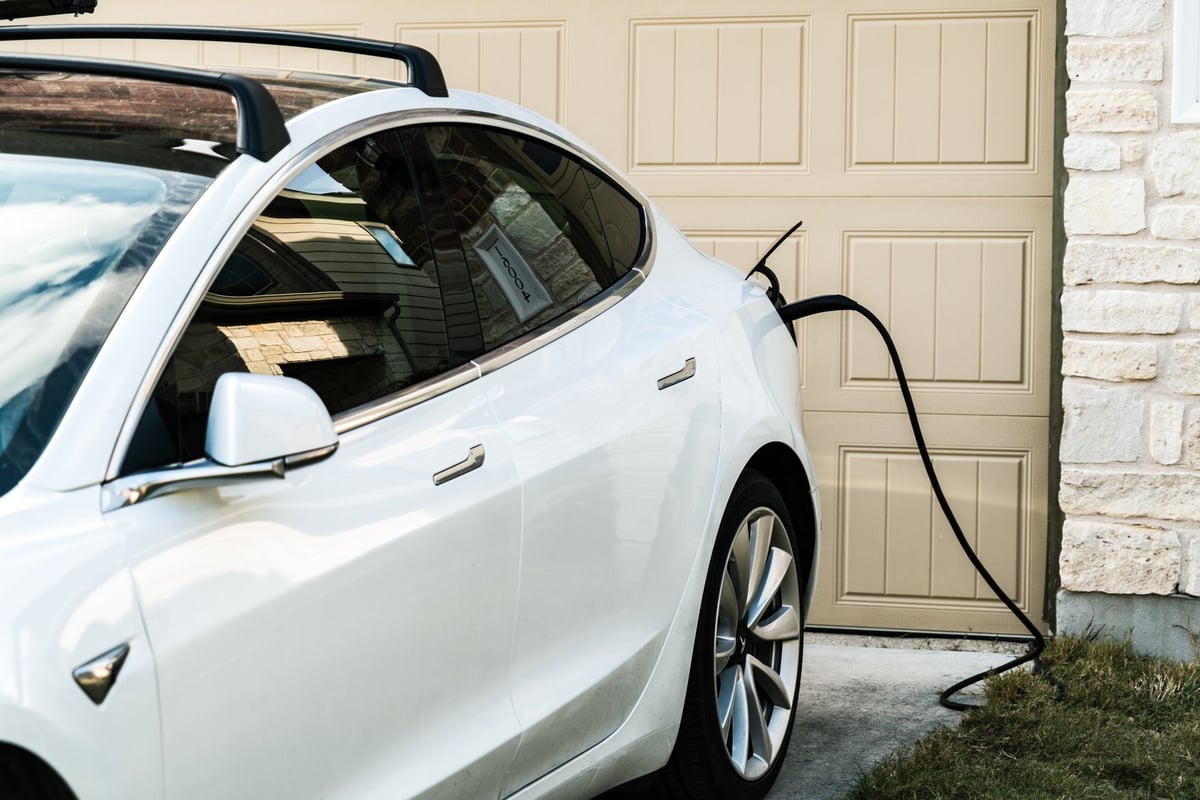
Electric vehicle plugged into a home Level 2 wall charger in a residential driveway

Placement first

Where the car parks decides the run length — so it is the first question, not the last.

Stock photograph used for layout demonstration only.

What gets planned

Five decisions before a charger goes up

The install is the short part. These are the decisions that determine whether home charging works on the first try or gets revisited.

Step 01

Placement and the cable run

A charger mounted where the cable reaches comfortably is better than one mounted where the panel was convenient. This section asks about parking position, whether the car parks nose-in or nose-out, and whether the cable would cross a walkway — the questions that turn into an awkward install when skipped.

  • Garage, carport, or exterior wall
  • Run path discussed before drilling

Panel capacity

Charging is a continuous load. Whether the existing service can carry it is a calculation, and the answer is sometimes no.

Determined on site, never quoted from a photo.

Dedicated circuit

A charger on its own circuit with its own protection — not shared with a dryer or an outlet that already gets used.

Multi-vehicle readiness

A household planning a second EV should decide now whether that means a second circuit or managed charging — not after delivery day.

Permits and inspection

Charger installations typically involve a permit and an inspection. The page says so, because skipping it is a common shortcut.

What this page will not do: name a charger brand, state a charge rate, quote a price, or promise an install window. Those are all real decisions a fictional brand cannot make for you.

(573) 520-3674

How it goes

From first question to first charge

Four stages, in the order that actually happens. Nothing here promises a timeline, because a schedule belongs to the real business.

  1. Describe the setup

    Which vehicle, where it parks, and what is already on the panel. Three answers narrow the whole project.

  2. On-site capacity check

    The panel gets opened and inventoried, and the load is worked against what is proposed. This is where a plan becomes real.

  3. Written plan

    Location, circuit, protection, permitting, and the path the cable takes — stated so it can be compared to another quote.

  4. Install and walkthrough

    Then the install, then a handover that explains the breaker, the protection, and what to do if it ever drops out.

Truthfulness note

Charging advice is where fictional sites usually overreach

"Full charge overnight." "Works with any panel." "Guaranteed rebate." All three get invented constantly on EV installer pages. This demonstration states none of them — it describes the planning questions instead, because the answers depend on the vehicle, the service, and local rules that a mockup cannot know.

A real build would ask you for

  • The charger models you actually install
  • Your real service area and travel limits
  • How you handle permits and inspection
  • Photos of your own completed installs

Service area

Where we install, and where we say no

You will not find a street address on this page, because ChargeHome is a fictional brand. What you will find is how an honest installer explains coverage — including the part where they turn work down.

Illustrative diagram — not a geographic service map.

Core — installs are routine here

The immediate area. Charger installs are ordinary scheduled work, and travel is not a deciding factor.

Middle — depends on the job

Neighbouring communities. Workable when the scope justifies the trip, which is a conversation rather than a rule.

Outer — we will tell you we are too far

This band exists to make refusing possible on the page. An installer who will drive anywhere is usually an installer who will not do the job well.

No street address, map pin, or town list is published on this demonstration page — all three would have to be invented.

Ask about your street

Charging plan request

Five questions that actually affect the plan

A charger form that asks only for a name and a message tells the installer nothing. This one asks what the vehicle is, where it parks, and what else is already drawing power — the three things that decide the whole job.

Inert mockup

This form does not submit anywhere. It is not connected to the Found On Local audit workflow, has no action or method, and sends no data of any kind.

Talk to Found On Local

(573) 520-3674
Where will it park and charge?

Demonstration form. Nothing is transmitted, stored, or delivered to Found On Local or any other business.

Questions

The questions that come before a charger

Written for someone researching home charging for the first time, with the limits of this demonstration stated rather than hidden.